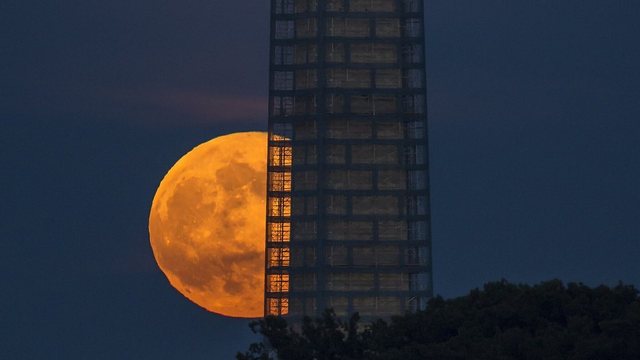
Can stars fall from the sky?

 Let us begin by finding out what a shooting star really is.
A "shooting star" that seems to fall is not a star. It is the light of a bit of space debris, about the size of a grain of sand to a pebble, burning up as it plunges into Earth's atmosphere. Real stars are huge balls of gas that are very far away, like the Sun. Some rocks do reach the ground without burning up, though, and these are called meteorites.
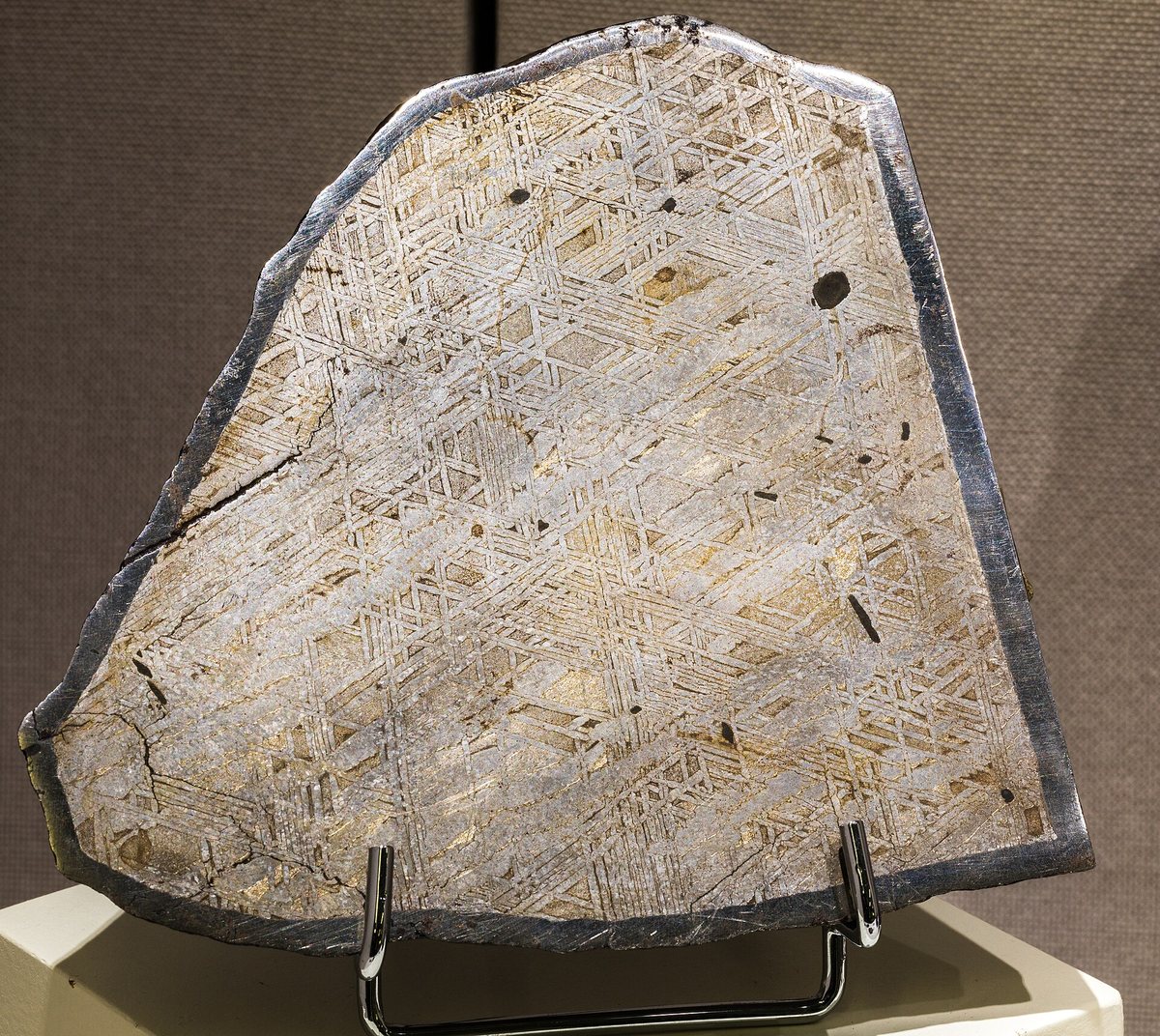
Shooting stars are not stars
A light that zips across the night sky is called a "shooting star," but no star has fallen. A Q&A from the Chandra X-ray Observatory in the US explains that shooting stars are not stars at all, but small bits of debris drifting through space. Most are about the size of a grain of sand to a pebble. They rush into Earth's atmosphere at tremendous speed and burn up, making a brief streak of light. The US National Park Service also says, "Shooting stars are not actual stars!"
Real stars are huge balls of gas like the Sun
So what is a real star like? The star closest to us is the Sun. According to NASA, the Sun is a hot, glowing ball of hydrogen and helium gas. It is about 100 times wider than Earth, big enough to hold 1.3 million Earths. It is about 150 million km away from us. Proxima Centauri, the next-closest star after the Sun, is so far away that even light takes 4.24 years to get here.
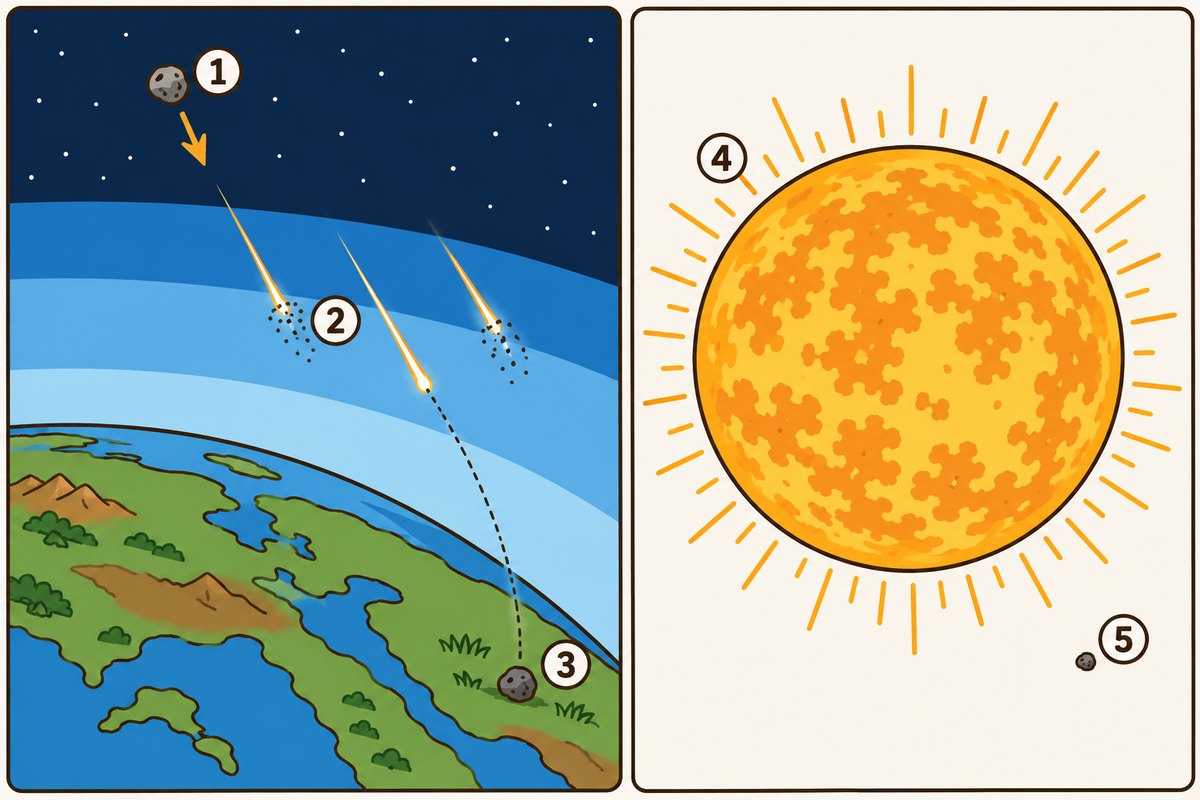
- 1A small piece of space rock before it enters Earth's atmosphere
- 2A piece that glows in the atmosphere and is lost along the way
- 3A meteorite that reached the ground
- 4A real star: a huge glowing ball of gas, like the Sun
- 5A small space rock compared with a real star

What falls is space dust and rock
That does not mean nothing ever falls from the sky. According to NASA, about 44 tonnes of dust and rock from space fall on Earth every day, but nearly all of it vaporizes in the atmosphere. The name changes along the way: in space it is a "meteoroid," when it glows in the atmosphere it is a "meteor," and if it reaches the ground without burning up it is a "meteorite."
Based on NASA.
Many shooting stars mean a band of dust
A "meteor shower," when you can see many shooting stars, happens when Earth crosses the trail of dust left behind by a comet. According to the Chandra Q&A, the Leonid meteor shower seen every November comes from dust left by Comet Tempel-Tuttle. A night full of shooting stars is not a night when stars fall; it is a night when Earth passes through a band of dust.
Want to know more?
- Meteoroids range in size from dust grains to small asteroids.
- NASA calls meteors brighter than the planet Venus "fireballs" and watches for them with a network of cameras.
- The Sun's mass is more than that of 330,000 Earths.
Quick quiz: test yourself
Remember what you just read? Give it a try!What is a shooting star really?
Show the answer
- A star falling from the sky
- A tiny bit of space debris
- Lightning in the air
A tiny bit of space debris A shooting star is not a star. It is the light of a bit of space debris, from sand-grain to pebble size, burning up as it plunges into the atmosphere.
A shooting star is not a star. It is the light of a bit of space debris, from sand-grain to pebble size, burning up as it plunges into the atmosphere.
Next quiz ›Sources
- Astrophysics FAQ: falling starsチャンドラX線観測所(ハーバード・スミソニアン天体物理学センター)
- Meteors and MeteoritesNASA Science
- Sun: FactsNASA Science
- Shooting Starsアメリカ国立公園局(National Park Service)
This article was written after checking the sources above as of 2026-10-03. Explanations may change as research progresses. Photo credits are shown below each photo.
Next fun fact ▶
 NatureWhy do stars twinkle?Stars sparkle and twinkle in the night sky. Is that because the stars are blinking?

40 surprising animal facts with big photos and short, easy text. A fun-facts book for kids and grown-ups to read together.
See it on Amazon