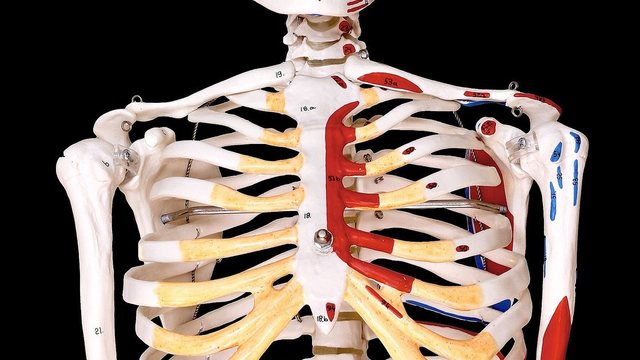
Why do you see little threads floating in your eyes?

 They are the shadows of tiny clumps in the vitreous, the clear jelly inside your eye.
Tiny strands in the vitreous, the clear jelly that fills the eye, clump together, and their shadows fall on the retina at the back of the eye. These are called floaters. Almost everyone gets them as they get older, and most are nothing to worry about.
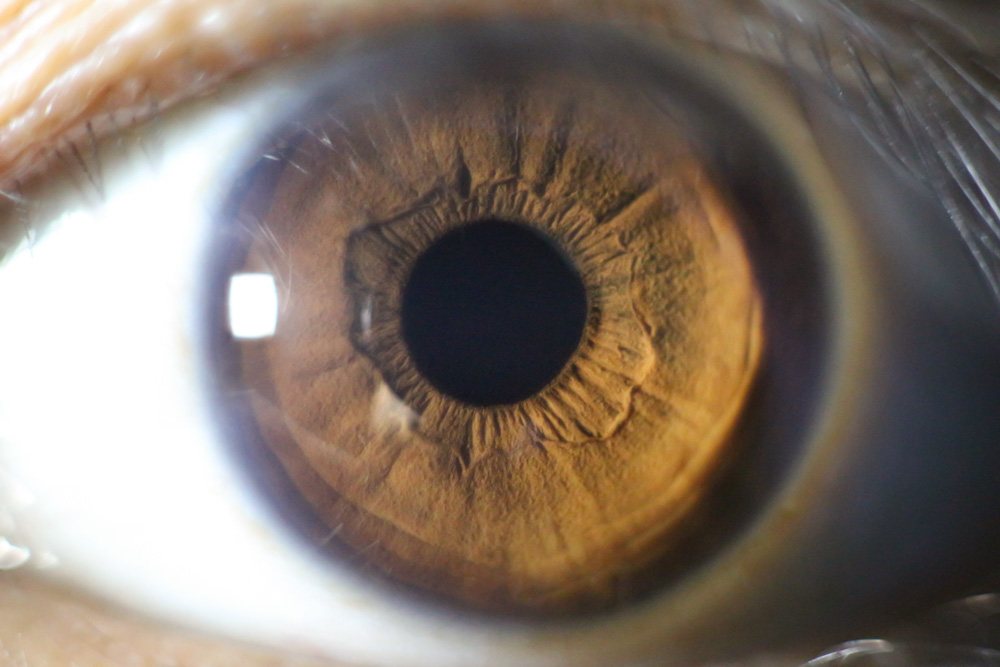
What do they look like?
The thread-like things you see can also look like dots, squiggly lines, rings or cobwebs. According to the US National Eye Institute (NEI), they move when your eyes move and seem to dart away when you try to look straight at them. They are easiest to notice against a bright, plain background, such as white paper or a blue sky.
Shadows inside the vitreous
The inside of the eye is filled with a clear, jelly-like substance called the vitreous. As we age, tiny strands in the vitreous stick together into small clumps. When light enters the eye, these clumps cast shadows on the retina, the layer at the back of the eye that catches light, and the shadows look like floating threads. The UK's National Health Service (NHS) says a common cause is a harmless process in which the vitreous changes.
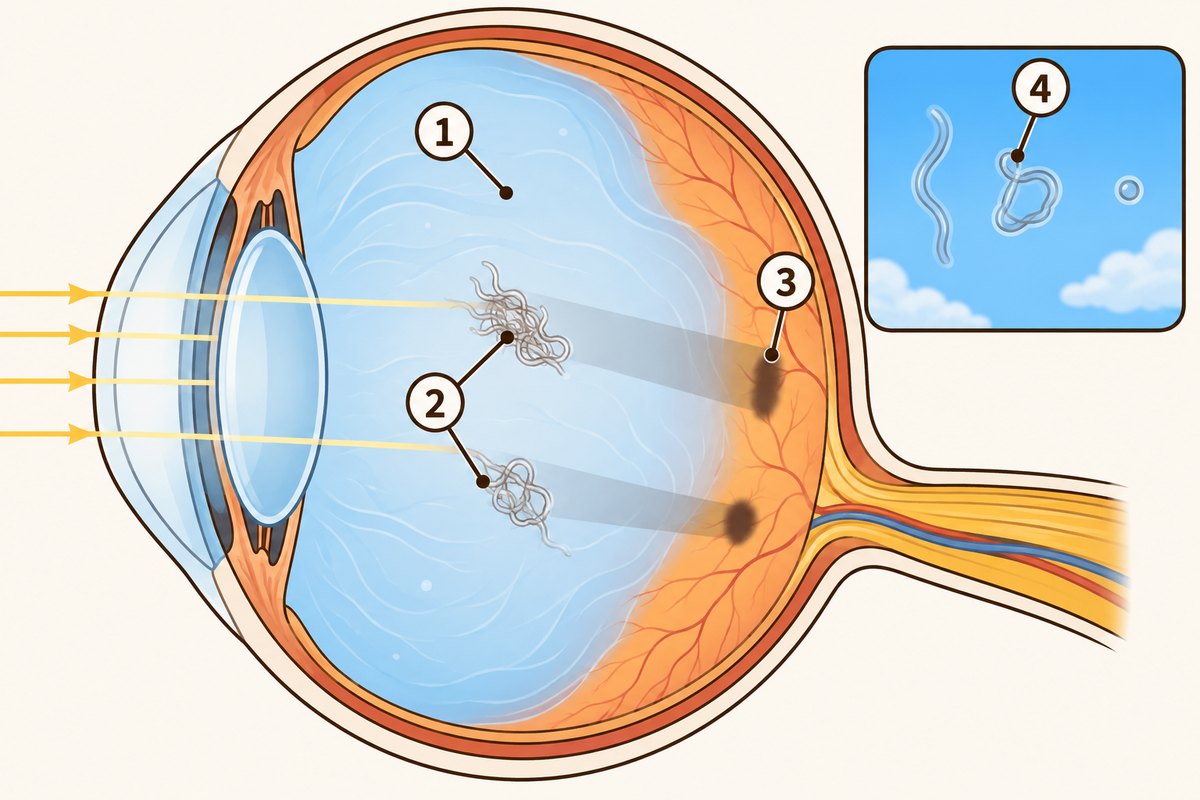
- 1The vitreous gel that fills the eye
- 2Clumps of fibers stuck together
- 3Shadows falling on the retina
- 4An example of the threads you see against a bright sky

Who gets them?
The NEI says almost everyone develops floaters as they get older. People who are very nearsighted, have diabetes, or have had cataract surgery are more likely to get them. Most floaters need no treatment, and they often become less noticeable over time.
When to see an eye doctor soon
However, if floaters suddenly increase, if you see flashes of light, or if a dark curtain or shadow covers part of your view, it can be a sign of a problem with the retina, so the advice is to see an eye doctor soon. The same goes if they appear after eye surgery or an eye injury. If you are worried, talk to an eye doctor.
Based on advice from the US National Eye Institute and the NHS.
Want to know more?
- Eye doctors check for floaters with a dilated eye exam, using drops that widen the pupil to look at the back of the eye.
- If floaters seriously get in the way of daily life, surgery to remove the vitreous may be considered.
- In rare cases, floaters can be caused by things like inflammation or bleeding inside the eye.
Quick quiz: test yourself
Remember what you just read? Give it a try!What are the thread-like shapes you see floating in your eyes?
Show the answer
- Dust on your eyelids
- Shadows of clumps in the vitreous
- Tiny bugs in the air
Shadows of clumps in the vitreous Tiny strands in the vitreous that fills the eye clump together, and their shadows fall on the retina, looking like floating threads.
Tiny strands in the vitreous that fills the eye clump together, and their shadows fall on the retina, looking like floating threads.
Next quiz ›Sources
- FloatersNational Eye Institute(米国国立眼病研究所)
- Floaters and flashes in the eyesNHS(イギリス国民保健サービス)
This article was written after checking the sources above as of 2026-10-03. Explanations may change as research progresses. Photo credits are shown below each photo.
Next fun fact ▶
 Human BodyWhy do your feet fall asleep after sitting on them?After sitting Japanese-style on your legs, you try to stand and your feet are all tingly. Why does that happen?

40 surprising animal facts with big photos and short, easy text. A fun-facts book for kids and grown-ups to read together.
See it on Amazon