Why does the Moon always show us the same face?

 It's not because the Moon doesn't turn. Let me explain in 30 seconds.
The time the Moon takes to spin once on its axis (rotation) and the time it takes to go once around Earth (orbit) are the same: about 27.3 days each. That is why the same side always faces Earth. It is not that the Moon doesn't rotate. Earth's gravity is thought to have created this state over a very long time.
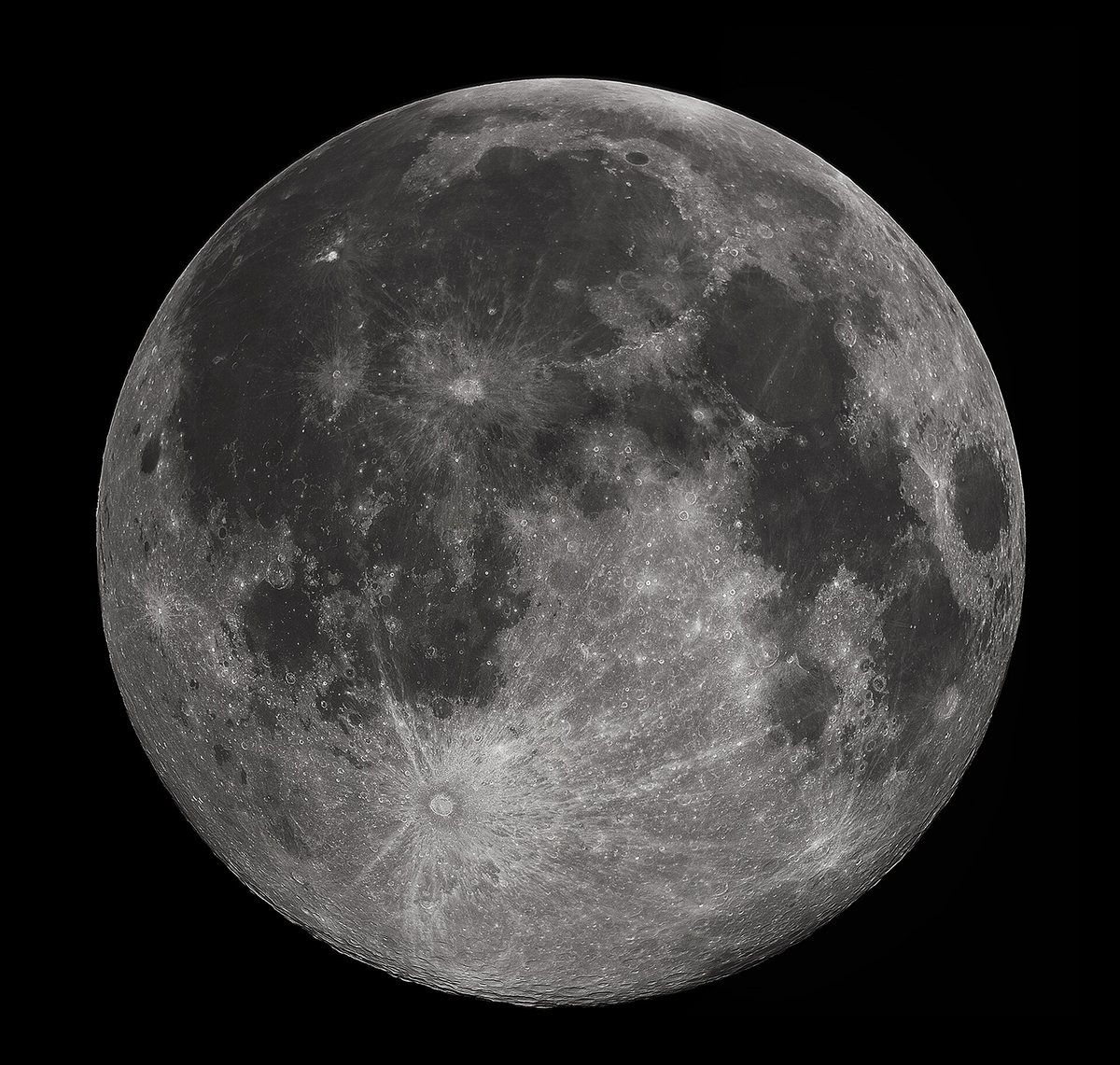
Rotation and orbit both take about 27.3 days
The Moon takes about 27.3 days to travel once around Earth. This is called its orbit. It also takes exactly the same time for the Moon to spin once around its own axis, which is called rotation. As the Moon moves along its orbit around Earth, it turns by the same amount, so the same side always faces Earth.
Does the Moon not rotate?
Some people think, "If we only see one side, the Moon must not be rotating," but it is actually the other way around. If the Moon did not rotate, we would see many different sides of it over a month. When you walk in a circle around a friend, you have to keep slowly turning your body to keep facing them the whole time. The Moon is doing the same thing.
Sizes and distances are not to scale.

Earth's gravity matched them up
Why did the rotation and the orbit come to match? Earth's gravity stretches the Moon slightly into a shape like a rugby ball. The young Moon is thought to have spun faster than it does today, so this bulge kept shifting a little away from the direction of Earth and being pulled back. Each time, the Moon's shape changed and energy was lost as heat. In this way the rotation slowed down, and the change stopped once the rotation and the orbit matched. This state is called tidal locking (being matched up by the same force that causes the tides).
We can see about 59%
Even so, we do not see exactly half of the Moon. The Moon's path is a slightly squashed circle, so it moves faster when it is close to Earth and slower when it is far away. Because of this, the Moon seems to rock a little from side to side as seen from Earth. Its path is also tilted by about 5 degrees, so we can peek a little at its northern and southern edges, too. This rocking is called libration, and altogether about 59% of the Moon's surface can be seen from Earth.
Want to know more?
- Tidal locking is not something rare that only happens to our Moon. All the large moons in the solar system are tidally locked to their planets.
- The Moon is still moving away from Earth by about 4 cm a year. The main reason is the pull between the Moon and the tides in Earth's oceans.
- The far side of the Moon, which we cannot see from Earth, is not "the side that is always dark." It gets about as much sunlight as the near side, and day and night take turns there.

Quick quiz: test yourself
Why does the Moon always show the same face?
Show the answer
- Its spin and orbit take the same time
- The Moon does not spin
- Its far side is always dark
Its spin and orbit take the same time The Moon takes about 27.3 days both to spin once and to circle Earth. It turns as much as it moves, so the same side always faces Earth.
The Moon takes about 27.3 days both to spin once and to circle Earth. It turns as much as it moves, so the same side always faces Earth.
Next quiz ›Sources
- Top Moon QuestionsNASA Science
- Tidal LockingNASA Science
- 暦Wiki 潮汐/潮汐摩擦国立天文台 暦計算室 (in Japanese)
- What's Up? Lunar LibrationNASA Goddard Space Flight Center
This article was written after checking the sources above as of 2026-10-03. Explanations may change as research progresses. Photo credits are shown below each photo.