Why does sugar turn brown when you heat it?

 It is actually a different change from browning. Let me explain in 30 seconds.
When sugar is heated to a high temperature, its molecules break apart and lose water while forming new substances, which create a brown color and a toasty aroma. This is called caramelization. It happens with sugar alone, so it is different from the Maillard reaction, in which sugars react with proteins, as in the browning of bread or meat.
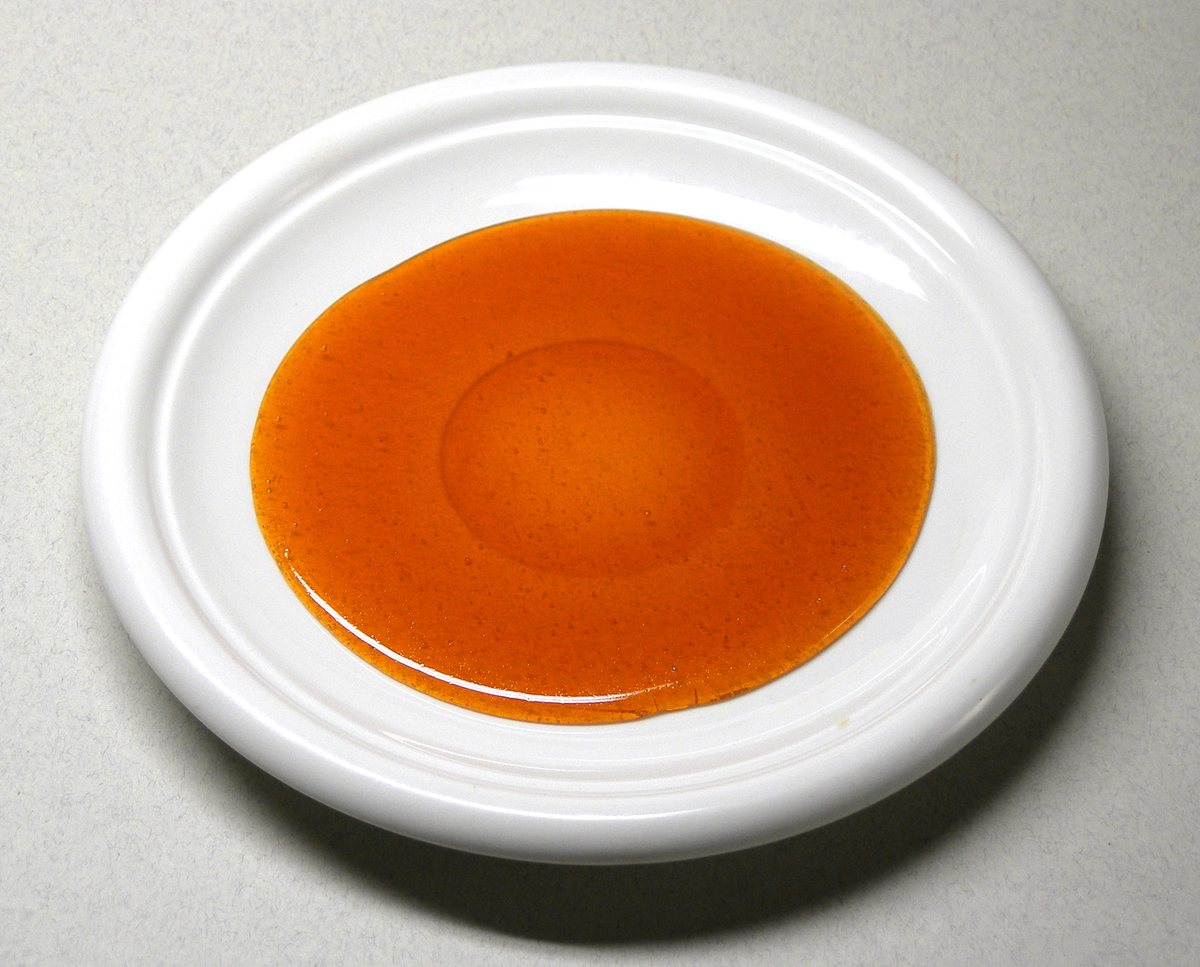
Turning brown at high heat
Caramelization needs a fairly high temperature. According to an explanation from Kansas State University, table sugar (sucrose) and glucose caramelize at about 160℃, and fructose at about 110℃. The Exploratorium, a science museum in the United States, explains that sugar heated in a pan melts and then begins to turn brown at about 170℃. For table sugar, the temperature varies from source to source, at about 160–170℃.
Sugars split apart and join again
According to Kansas State University, sucrose first splits into two sugars, glucose and fructose. Then, as water is released from these sugars, they react with one another. During this process, hundreds of new aroma compounds form, giving caramel its typical flavor. However, food scientists still do not fully understand the details of these reactions.

The further it goes, the darker and more bitter
A research paper on caramel in food explains that early in the reaction the color is light and the caramel flavor is mild. As the reaction goes on, more large color-forming molecules build up, the color gets darker, and the taste gradually becomes more bitter. Even with the same sugar, the color and taste change depending on how far you heat it.
How it differs from the Maillard reaction
Caramelization is not the only change that makes food brown. The brown of caramel candy comes from the Maillard reaction, in which sugar reacts with the proteins in cream, and the color of grilled meat and roasted nuts belongs to the same family. Caramelization is different because it happens with sugar alone, without nitrogen-containing substances such as proteins. In foods that contain both, the two often happen at the same time.
Want to know more?
- Caramel candy is made by boiling sugar, cream, corn syrup, and butter down to about 118℃ (245°F).
- Caramel color, used to color foods, is a dark brown to black liquid or solid with a burnt-sugar smell and a slightly bitter taste.
- Caramel color first became commercially important for coloring brewed drinks such as beer, and brandy.

Quick quiz: test yourself
What is the browning of heated sugar alone called?
Show the answer
- The Maillard reaction
- Caramelization
- Fermentation
Caramelization At high heat, sugar molecules break down and lose water, forming new substances with a brown color and toasty aroma. It differs from the Maillard reaction of sugar and protein.
At high heat, sugar molecules break down and lose water, forming new substances with a brown color and toasty aroma. It differs from the Maillard reaction of sugar and protein.
Next quiz ›Sources
- Science of Candy: Caramelization & CaramelsExploratorium
- The Maillard ReactionKansas State University(K-State Research and Extension)
- Food caramels: a reviewJournal of Food Science and Technology(PubMed Central 掲載)
This article was written after checking the sources above as of 2026-10-03. Explanations may change as research progresses. Photo credits are shown below each photo.