Why did the football get a black-and-white pattern?

 The answer is to make the ball easy to see on television.
The black-and-white pattern makes the ball easy to see on television. The ball used at the 1970 World Cup in Mexico, the Telstar, had 32 panels, 12 black pentagons and 20 white hexagons, designed to stand out even on the black-and-white TVs that were common then.
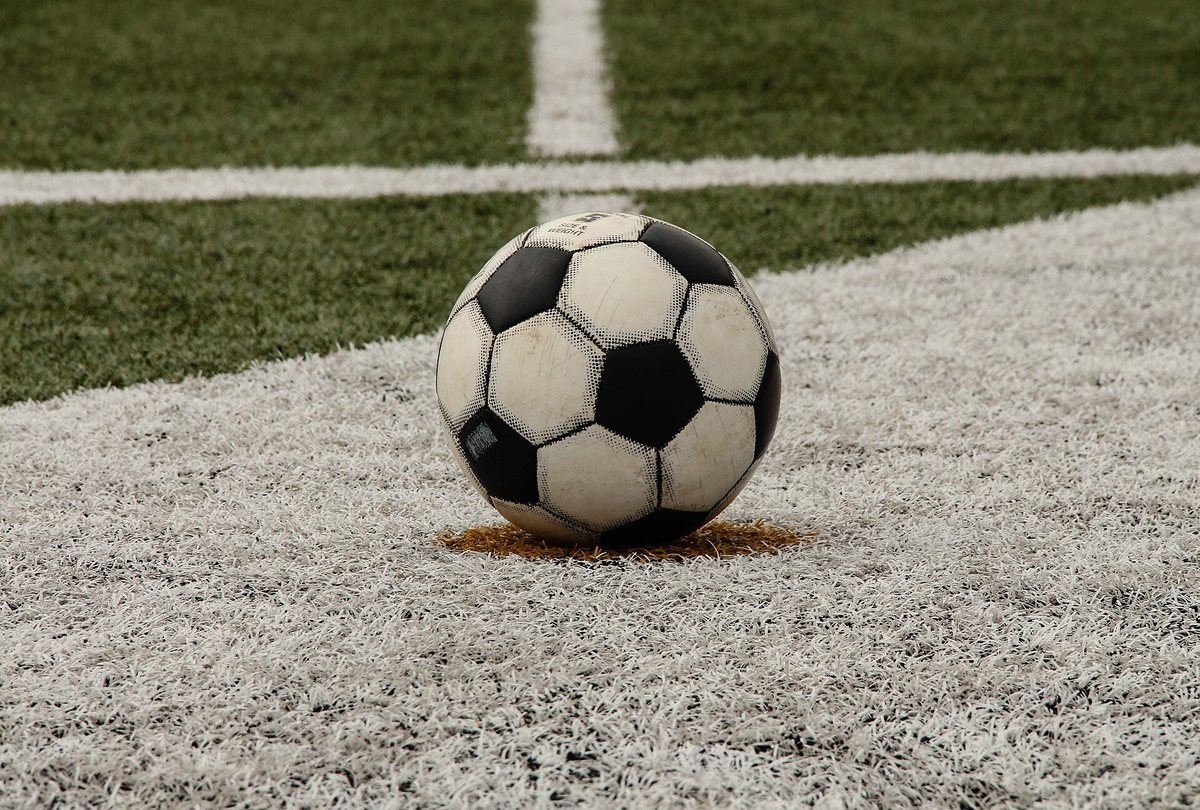
A black-and-white ball arrives at the World Cup
A black-and-white football was first used at a World Cup in 1970, at the tournament in Mexico. That ball was the Telstar, the first official tournament ball made by the sports brand adidas.
Made of 32 panels
The Telstar had 32 panels in all: 12 black pentagons and 20 white hexagons, stitched together into a round ball. It is the pattern many people picture today when they hear the word football (soccer ball).

Black and white to be seen on TV
The pattern was chosen so the ball would be easy to see on television. At the time, black-and-white TVs were still more common than color ones, so a black-and-white ball was designed to stand out clearly on those screens. The name Telstar is also short for "television star."
Also the first World Cup in color
The 1970 tournament in Mexico was also the first World Cup to be broadcast in color. At the next World Cup, in 1974, a ball that kept the same black-and-white design was used.
Want to know more?
- The ball for the 2018 tournament in Russia, the Telstar 18, is a modern remake of the 1970 Telstar.
- The 1974 ball, the Telstar Durlast, was given a water-resistant coating so that it would work well even when wet.

Quick quiz: test yourself
Why are footballs black and white?
Show the answer
- To be easy to see on TV
- To glow in dark places
- To stand out from the grass
To be easy to see on TV The 1970 ball was made in black and white so that it would stand out even on the black-and-white TVs that were common then.
The 1970 ball was made in black and white so that it would stand out even on the black-and-white TVs that were common then.
Next quiz ›Sources
- How adidas Has Shaped the History of World Cup Balls from 1970 to the Present Dayadidas Group
- World Cup Match Balls: a HistoryCreative Review
This article was written after checking the sources above as of 2026-10-03. Explanations may change as research progresses. Photo credits are shown below each photo.