What is the little piece of wood on top of the wicket for?

 Shall we find out in 30 seconds?
The small wood is called a bail, and it is the mark that decides whether the wicket is broken. Under the Laws, the wicket is broken when at least one bail is completely removed from the top of the stumps, or when a stump is pulled out of the ground.
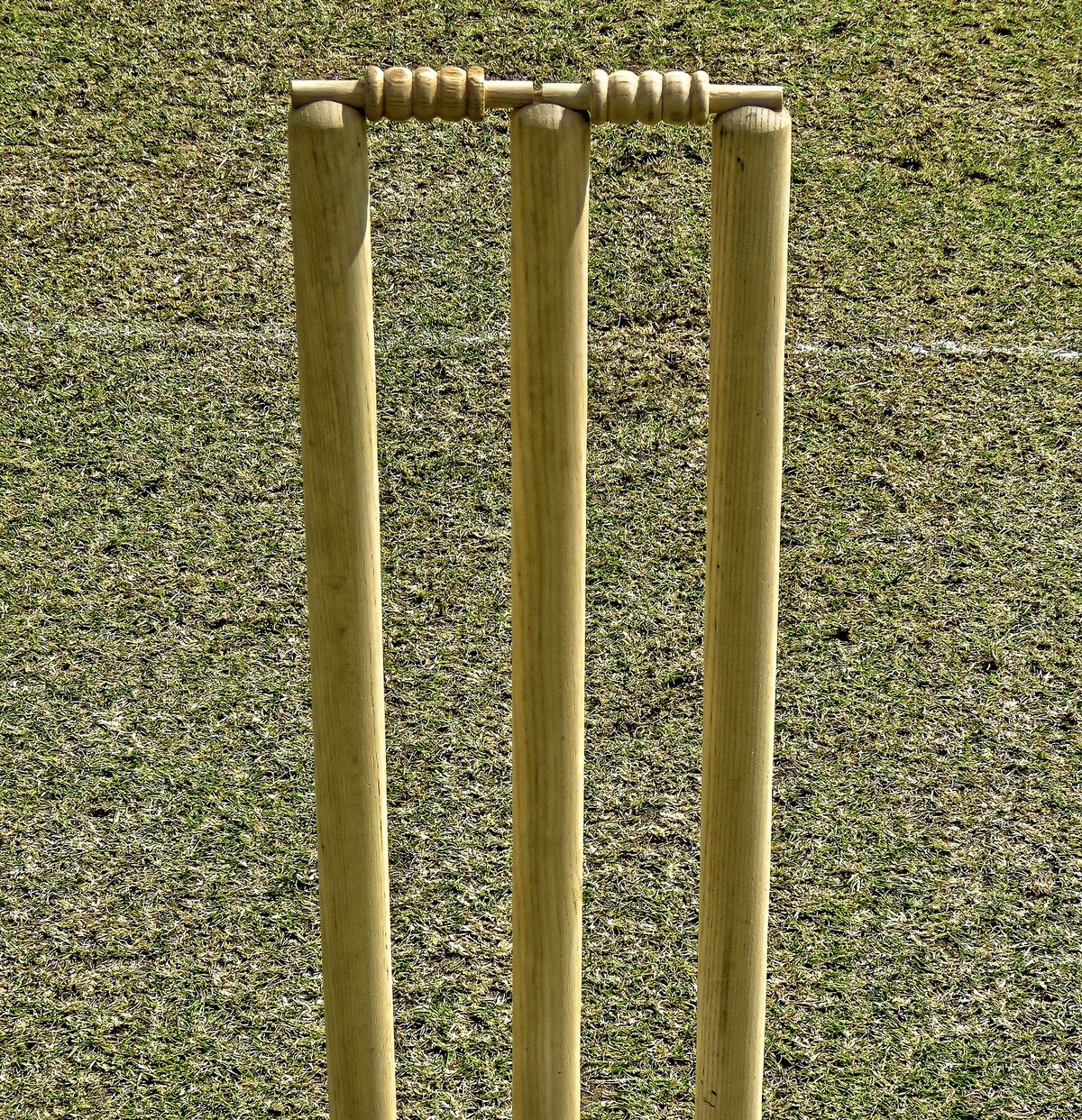
Three stumps and two bails
A cricket wicket is made of three wooden sticks standing in the ground, called stumps, with two small pieces of wood, called bails, resting on top. Under the Laws of the MCC (the club that looks after the Laws of Cricket), the wicket is 22.86 cm wide, and the top of the stumps is 71.12 cm above the ground. One bail is 10.95 cm long in all and sits in grooves at the top of the stumps, so it comes off when it is moved.
When a bail comes off, the wicket is broken
Whether the wicket is broken is decided by the bails. Law 29.1 says the wicket is broken when at least one bail is completely removed from the top of the stumps, or when a stump is removed from the ground. If the ball hits the stumps and a bail only moves a little, it does not count as completely removed.
Old bails and windy days
Bails are very old. The first Laws of 1744 already mention them, saying the bail is 6 inches long. At that time there were two stumps and one bail. The change to three stumps and two bails is said to have come near the end of the 18th century. When it is so windy that bails blow off, heavier bails are sometimes used. If they still fall, play can go on without bails, and the wicket is treated as broken when the ball hits the stumps.
The arrival of lit-up bails
In 2012, in Australia's BBL, LED bails and stumps that light up red when knocked off were used for the first time in the world. The sensor in the bails detects the wicket being broken in one thousandth of a second. Today the IPL's playing conditions also say that these LED bails are to be used. However, at the 2019 World Cup, there were several cases where the ball hit the stumps but the bails did not fall, and this caused debate.

Want to know more?
- In matches that use LED bails, the moment the LEDs first light up is treated as the moment the wicket was broken.
- When lit-up stumps were first used in the BBL in 2012, it was explained that they would not be used for the umpires' decisions.
- LED bails are often used in matches with a set number of overs and in day-night Tests (long international matches).

Quick quiz: test yourself
What does a bail coming off decide?
Show the answer
- The wicket is broken
- The batter may run
- The ball has stopped
The wicket is broken Under the Laws, when at least one bail is completely removed from the top of the stumps, the wicket is broken.
Under the Laws, when at least one bail is completely removed from the top of the stumps, the wicket is broken.
Next quiz ›Sources
- Law 8: The Wickets (8.1 Description, 8.3 The bails)MCC (Marylebone Cricket Club), Laws of Cricket
- Steve Smith's Lucky Escape: In An Age Of Immovable Zing Bails, Does Cricket Need A Law Change?Wisden
- BBL stumps to light up in a world firstICC (International Cricket Council)
- Falling spider-cam cables, malfunctioning Zing bails cause bizarre early delays to IPL clashWisden
- Archaic Laws (the 1744 code)ESPNcricinfo (Cricinfo archive)
This article was written after checking the sources above as of 2026-10-03. Explanations may change as research progresses. Photo credits are shown below each photo.