Does swallowed gum stay in your stomach for years?

 The key is the difference between "not digested" and "staying inside."
No, that's a myth. Gum base, the chewy part of gum, isn't digested, but it doesn't stay in your stomach for years. It travels the same path as other food and leaves the body in stool. Still, in rare cases, children who swallowed lots of gum again and again have had it form a lump.
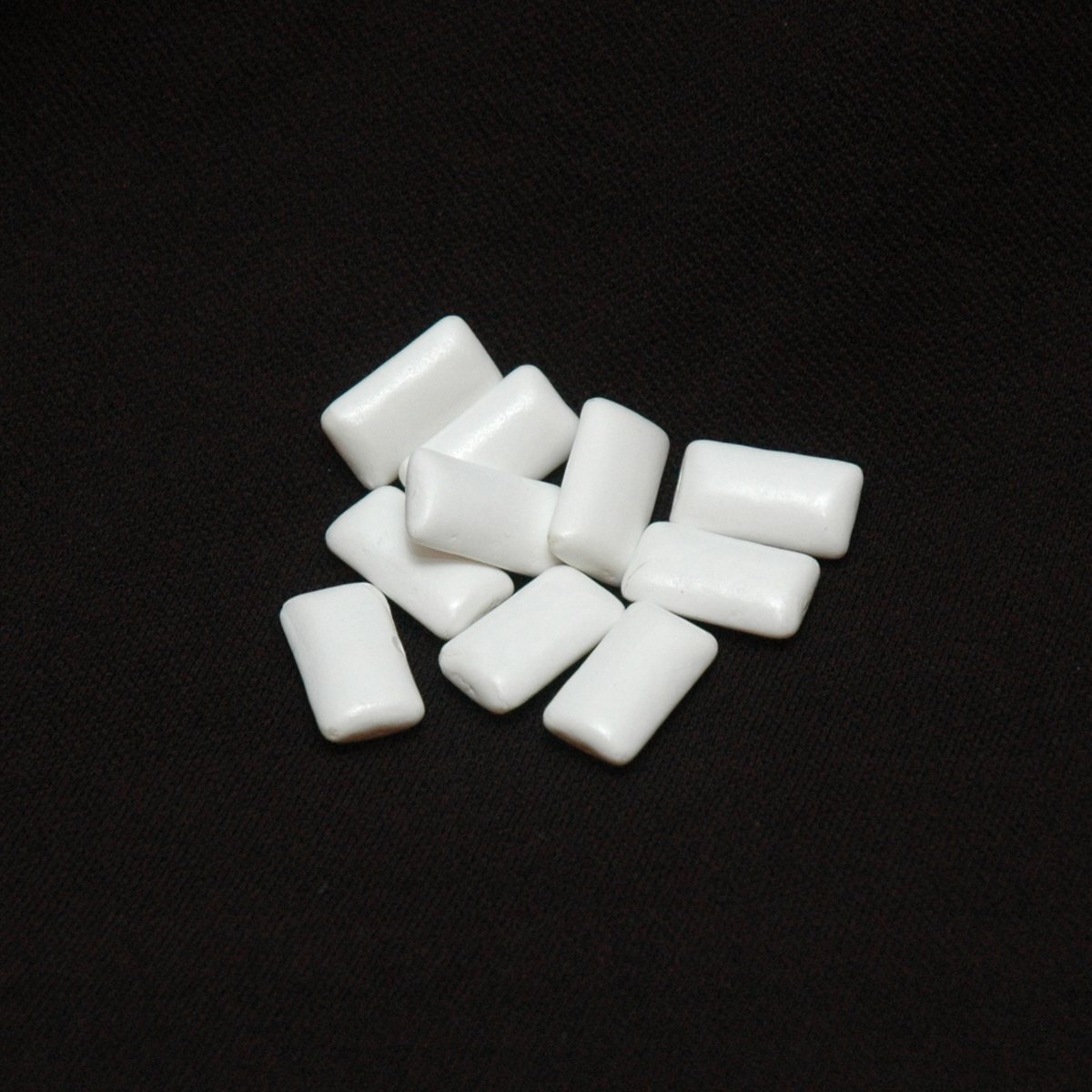
Where the "7 years" story came from
The story that "swallowed gum stays in your stomach for 7 years" is known all over the world. According to Scientific American, nobody knows where it came from. A doctor at Duke Health in the United States says it may have started with parents teaching children not to swallow things that aren't food.
Gum base is not digested
Gum is made of sweeteners and flavors plus a soft, chewy base called gum base. Gum base is made from things like chicle, which comes from trees, and rubber-like materials. The sweeteners break down in the body, but gum base is hardly digested at all. Just like raw vegetables, corn, popcorn kernels and seeds, our bodies have no way to break gum base down.
It still leaves the body like food
But not being digested is different from staying inside you. A Duke Health doctor explains that the stomach usually empties its contents in about 30 to 120 minutes, and gum goes along with it. Gum does not stick to the walls of the stomach or intestines; it travels the same path as food and leaves the body in stool. This doctor has looked inside the stomachs of many adults and children with a camera, and has never seen a lump of gum sitting there.
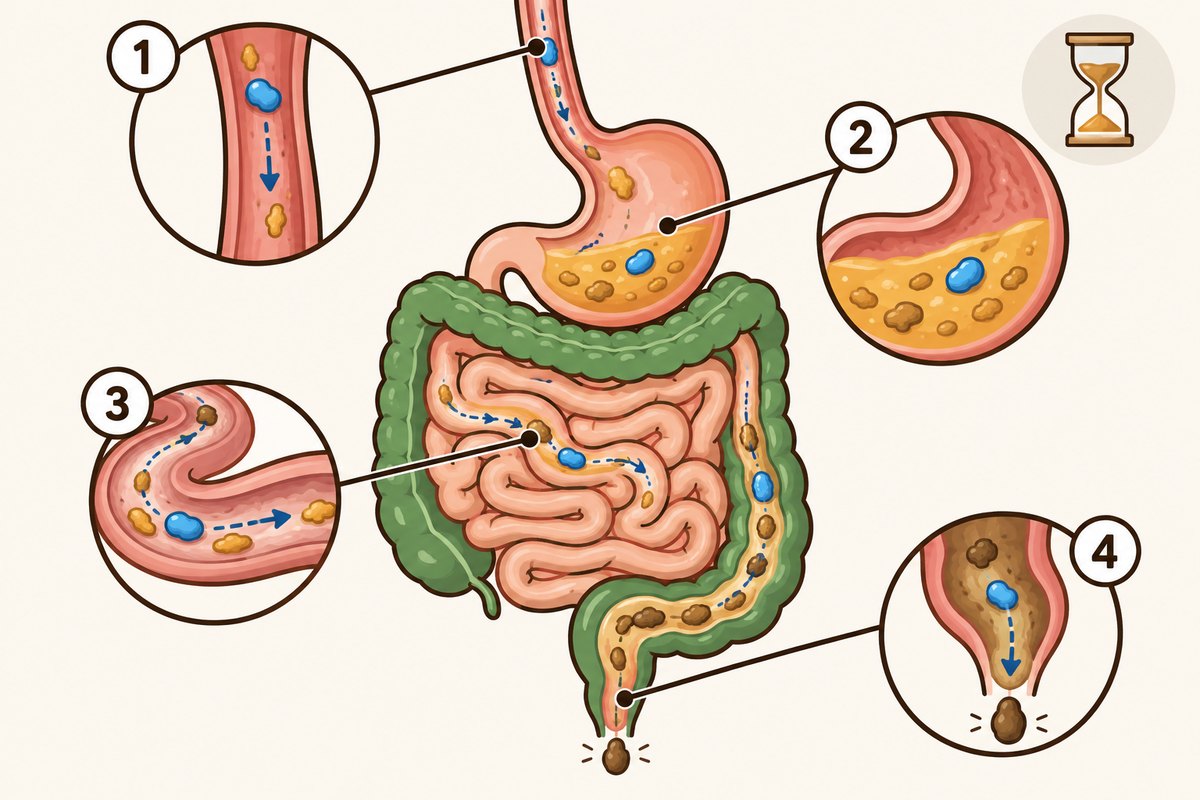
- 1The swallowed gum moves down the esophagus
- 2The gum is carried along with the rest of the stomach's contents
- 3The gum passes through the intestines
- 4It leaves the body with poop

The concern is "a lot, many times"
Swallowed gum found during medical exams is usually no more than a week old. On the other hand, a 1998 paper described 3 children whose food passages became blocked after swallowing gum. Swallowing a lot of gum again and again, or together with other things that can't be digested, was involved, which is quite different from swallowing one piece by accident.
Want to know more?
- In Northern Europe, ancient black lumps of tar with human tooth marks have been found, dating from about 7000 BC to about 2000 BC.
- The first patent for making chewing gum was issued in 1869, for gum made from chicle, which comes from a tree in Central America.
- Sweeteners in sugar-free gum can cause nausea, loose stools or headaches if a lot is swallowed.
Quick quiz: test yourself
Remember what you just read? Give it a try!What happens to gum you swallow?
Show the answer
- It stays inside for years
- It sticks to the stomach wall
- It leaves the body in stool
It leaves the body in stool Gum base isn't digested, but it doesn't stick to the stomach or intestines. It travels the same path as food and leaves in stool.
Gum base isn't digested, but it doesn't stick to the stomach or intestines. It travels the same path as food and leaves in stool.
Next quiz ›Sources
- Myth or Fact: It Takes Seven Years to Digest Chewing GumDuke Health(デューク大学病院)
- Fact or Fiction?: Chewing Gum Takes Seven Years to DigestScientific American
- Chewing gum bezoars of the gastrointestinal tractPediatrics(PubMed 掲載の査読論文)
This article was written after checking the sources above as of 2026-10-03. Explanations may change as research progresses. Photo credits are shown below each photo.
Next fun fact ▶
 FoodDoes sugar really make kids hyper?Children racing around after eating candy... is sugar really the reason?

40 surprising animal facts with big photos and short, easy text. A fun-facts book for kids and grown-ups to read together.
See it on Amazon