Why do playing cards have four suits?

 The answer lies in cards that came from Egypt, you see.
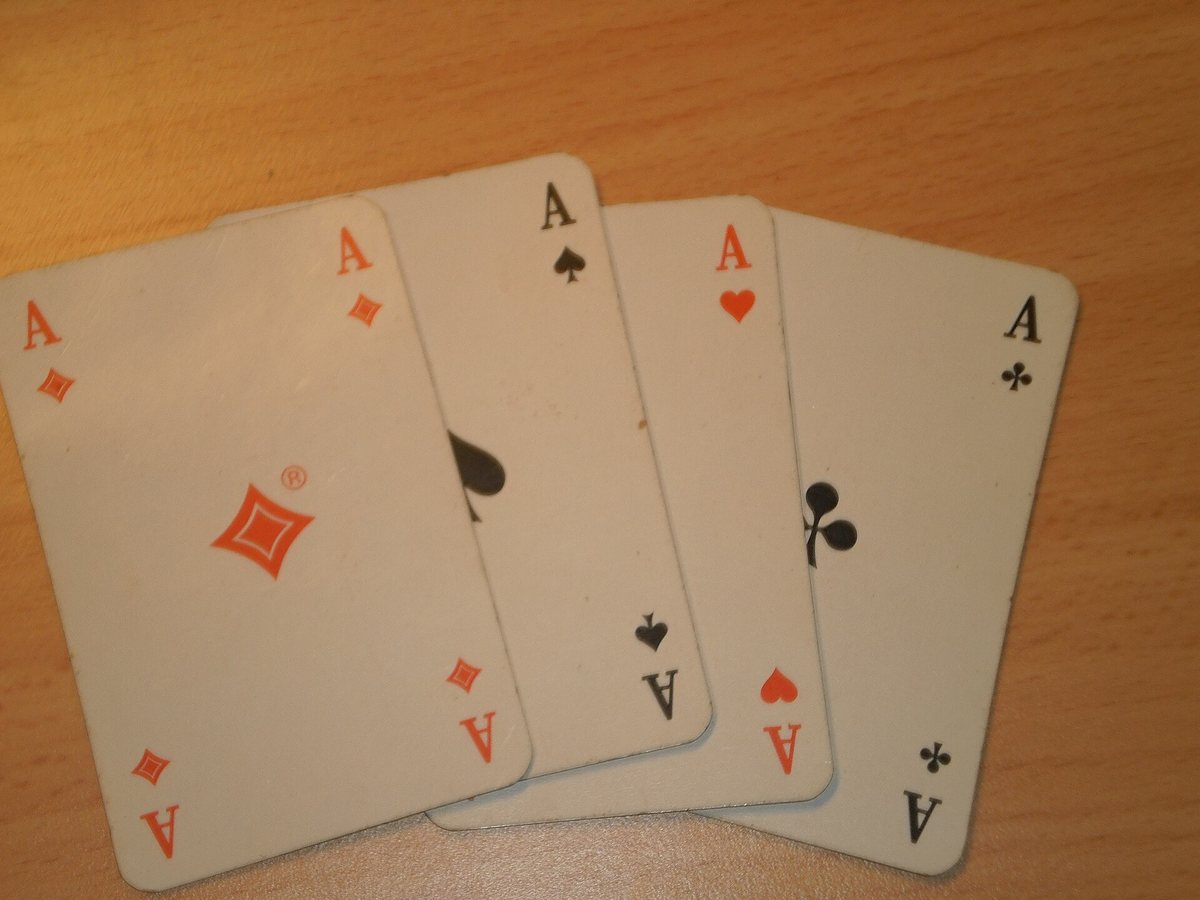
Playing cards are divided into four suits because, before they reached Europe, cards from Mamluk Egypt were already made up of four suits, and that pattern was passed on. Today's spades, hearts, clubs and diamonds were created in France around 1470.
Cards travel from East to West
There are several theories about where cards began, including China and India, and nothing is certain. Still, it is considered clear that cards started in the East and later reached Europe. According to the International Playing-Card Society, cards had reached the Middle East by the 13th century.
Egyptian cards had four suits
The Topkapi Palace Museum in Istanbul keeps hand-painted cards made in Mamluk Egypt before 1500. The 52 cards were divided into four suits, each with 10 number cards and 3 court cards. The suit signs were coins, cups, swords and polo sticks, and some experts think they stood for four officers serving the sultan.
New suit signs in Europe
Cards reached southern Europe around 1350, and the four suits of coins, cups, swords and sticks were kept. Polo was not known in Europe, so the polo sticks became sceptres, batons or cudgels. The English word "clubs" also means cudgels. In Germany, the four suits settled into leaves, hearts, acorns and bells.

Today's suits come from France
Today's suit signs were invented by French cardmakers around 1470. In French they are called spearheads, hearts, trefoils and squares, and the first three are thought to be based on the German leaves, hearts and bells. Because they were just flat black and red shapes, they could be made quickly and cheaply with stencils. Thanks to this, French cards went to England and then spread around the world.
Want to know more?
- Only in Japan are cards called "toranpu." The English word "trump" means a winning card, and in the early Meiji era, Japanese people watching Westerners play are said to have mistaken it for the name of the cards.
- The National Library of France in Paris keeps 17 cards painted for the French king Charles VI in 1392, among the oldest cards still in existence.
- The number of cards in a pack varies by country: Spain sometimes uses 48 cards, and Italy 40.
Quick quiz: test yourself
Remember what you just read? Give it a try!In which country were today's spades, hearts, clubs and diamonds created?
Show the answer
- England
- Egypt
- France
France French cardmakers invented today's four suit signs around 1470. Because they could be made quickly and cheaply with stencils, they spread around the world.
French cardmakers invented today's four suit signs around 1470. Because they could be made quickly and cheaply with stencils, they spread around the world.
Next quiz ›Sources
- Playing-card History: Early Middle East CardsInternational Playing-Card Society(国際プレイングカード協会)
- Playing-card History: Introduction into EuropeInternational Playing-Card Society(国際プレイングカード協会)
- Playing-card History: French cardsInternational Playing-Card Society(国際プレイングカード協会)
- Playing Card(マムルーク朝のカード)Los Angeles County Museum of Art(ロサンゼルス・カウンティ美術館)
- トランプ(日本大百科全書・精選版 日本国語大辞典の解説)コトバンク(小学館) (in Japanese)
This article was written after checking the sources above as of 2026-10-03. Explanations may change as research progresses. Photo credits are shown below each photo.
Next fun fact ▶
 CultureWhen and where did origami begin?The cranes and paper helmets we folded as children. When and where did origami begin?

40 surprising animal facts with big photos and short, easy text. A fun-facts book for kids and grown-ups to read together.
See it on Amazon