Why does a week have seven days?

 The clue is the Moon changing shape in the night sky.
A week is said to have seven days because of the Moon's phases. The Moon changes shape from new moon to first quarter, full moon and last quarter, and each step takes 29.5 days ÷ 4, or about 7 days. The seven-day cycle was used in ancient Mesopotamia and spread around the world by way of Rome and other places.
It didn’t have to be seven
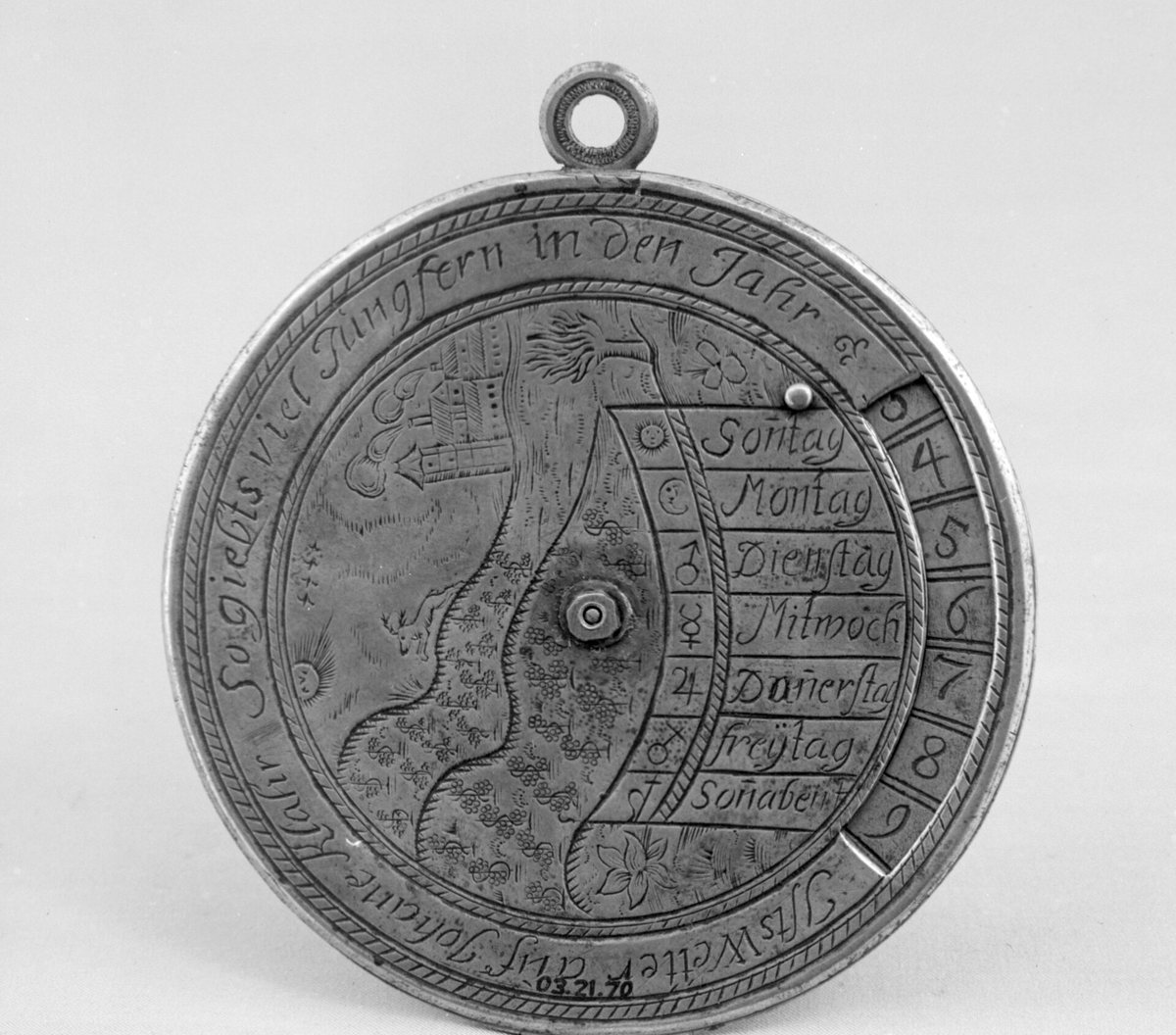
According to the National Astronomical Observatory of Japan, a week is a unit of daily life smaller than a month, and there is no rule that it must be seven days. Ancient Rome held markets every 8 days, and calendars in ancient Egypt and during the French Revolution used weeks of 10 days.
A link to the Moon’s phases
Even so, the week became seven days, and this is said to come from the Moon's phases. The Moon changes shape from new moon to first quarter, full moon and last quarter, and each step takes 29.5 days ÷ 4, or about 7 days. Ancient Babylonia seems to have counted from the new moon and made days 7, 14, 21 and 28 days of rest. The Encyclopaedia Britannica says the week is a unit made by people with no astronomical basis, and that the Sumerians and Babylonians divided the year into weeks of seven days. On the other hand, in the Bible's story of creation the seventh day is a day of rest, and one view is that the Jewish people created their own seven-day cycle that did not follow the Moon.
Weekdays and seven sky objects
The Japanese weekday names (Sun, Moon, Fire, Water, Wood, Gold and Earth) match the Sun, the Moon and the five planets known at the time. The custom of naming sky objects after gods is said to have passed from the Sumerians to ancient Babylonia, ancient Greece and then Rome. Rome used an 8-day cycle for a long time, but in the year 321, Emperor Constantine brought the seven-day week into the calendar.

To Japan, with a link to India
In the Heian period, the monk Kobo Daishi (Kukai) brought the days of the week to Japan along with a Buddhist text called the Sukuyo-kyo. This text lists the names of the seven days next to their names in Sanskrit (an old language of India), Sogdian and Persian, and the Indian weekday names also match the names of the sky objects. At that time, though, the days were used to tell lucky and unlucky days, and Sunday did not become a day off in Japan until April of Meiji 9.
Want to know more?
- In English, Tuesday and Wednesday come from Roman god names that were replaced by northern European gods, Tiw and Woden.
- From 1929 to 1940, the Soviet Union used weeks of 5 or 6 days.
- Printing Saturday in blue on calendars is a style unique to Japan; it appeared in the 1960s and spread in the 1970s.
Quick quiz: test yourself
Remember what you just read? Give it a try!What is said to be the origin of the seven-day week?
Show the answer
- The size of the Sun
- The number of seasons
- The Moon's phases
The Moon's phases The Moon changes shape from new moon to first quarter, full moon and last quarter, and each step takes 29.5 days ÷ 4, or about 7 days.
The Moon changes shape from new moon to first quarter, full moon and last quarter, and each step takes 29.5 days ÷ 4, or about 7 days.
Next quiz ›Sources
- 暦Wiki 1週間とは?国立天文台 暦計算室 (in Japanese)
- 暦Wiki 1週間とは?/曜日の名前国立天文台 暦計算室 (in Japanese)
- 暦Wiki 1週間とは?/日曜日国立天文台 暦計算室 (in Japanese)
- week (chronology)Encyclopaedia Britannica(ブリタニカ百科事典)
This article was written after checking the sources above as of 2026-10-03. Explanations may change as research progresses. Photo credits are shown below each photo.
Next fun fact ▶
 CultureWhere did the kendama come from?The kendama looks like a Japanese game. But in fact, it is said to have come from a faraway country.

40 surprising animal facts with big photos and short, easy text. A fun-facts book for kids and grown-ups to read together.
See it on Amazon