Where was the game that chess came from born?

 Let me follow the journey of the game in order.
Chess is thought to descend from chaturanga, a game born in India. The date is given as around the 5th to 6th century, though sources differ. The game then spread through Persia and the Islamic world to Europe, and its rules moved close to today's around the end of the 15th century.
The game that chess came from: chaturanga
Chess is thought to descend from a game called chaturanga, born in India. Most sources give around the 5th to 6th century, but the date is not settled. Chaturanga is an old Indian word meaning "four parts," and it stood for the four divisions of an army at the time: foot soldiers, elephants, cavalry and chariots.
A game that mirrored an army
On the board, pieces for these four divisions were joined by a king and his minister. The goal was to capture the opponent's king. The Salar Jung Museum in Hyderabad, India, also traces the origin of chess to chaturanga in 6th-century India.
To Persia and the Islamic world
Chaturanga traveled west and was called chatrang in Sasanian Persia (224 to 651). Persian documents of that time list the game as one of the skills a nobleman should have. Later it spread to the Arabic-speaking world as shatranj, and the Persian words "shah mat" (the king is helpless) are said to have become today's "checkmate."
Pieces change in Europe
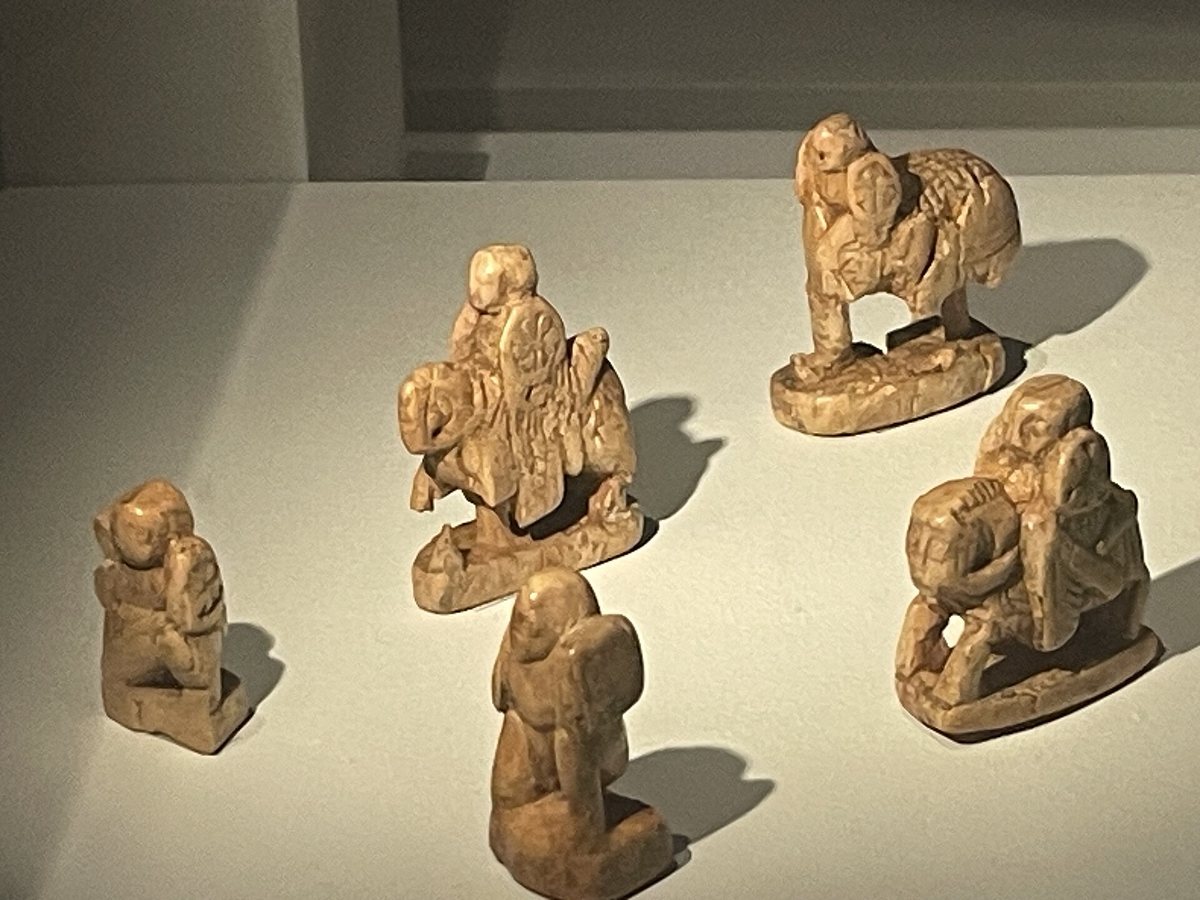
It is widely believed that chess reached Europe by the early 10th century at the latest, mainly through Italy and Spain, where the Islamic and Christian worlds met. After that, the elephant became the bishop, the minister became the queen, and the chariot became the rook, as the shapes and names of the pieces changed to suit European society.
The big change of the late 15th century
A big change came around the end of the 15th century. The queen became the strongest piece on the board, able to move like a rook and a bishop combined, and the bishop could glide freely along open diagonals. This faster game was also called "queen's chess," and within a generation or two it is said to have replaced the older game.

Want to know more?
- Some accounts say the first chaturanga was a game for four players that also involved the luck of dice.
- The idea that the Persian "shah mat" is the origin of "checkmate" is still presented in many sources.

Quick quiz: test yourself
Where was the game chess came from born?
Show the answer
- Europe
- Persia
- India
India Chaturanga, a game of India around the 5th to 6th century, is thought to be the origin of chess.
Chaturanga, a game of India around the 5th to 6th century, is thought to be the origin of chess.
Next quiz ›Sources
- The History Of Chess: A 1500-year-old Strategy GameWorld History Encyclopedia
- Chess - A Royal GameSalar Jung Museum, Hyderabad (Google Arts & Culture)
- How chess became medieval Europe's favorite pastimeNational Geographic
This article was written after checking the sources above as of 2026-10-03. Explanations may change as research progresses. Photo credits are shown below each photo.