Where did chocolate first come from?

 The answer lies in Latin America. Let's follow the history together.
Cacao, the source of chocolate, was first used in Latin America, not in Europe. The oldest evidence found so far is about 5,300 years old, from Ecuador in South America. The Maya and Aztecs enjoyed cacao as a bitter drink. The sweet taste with added sugar is said to have come after it reached Europe.
Who first used cacao?
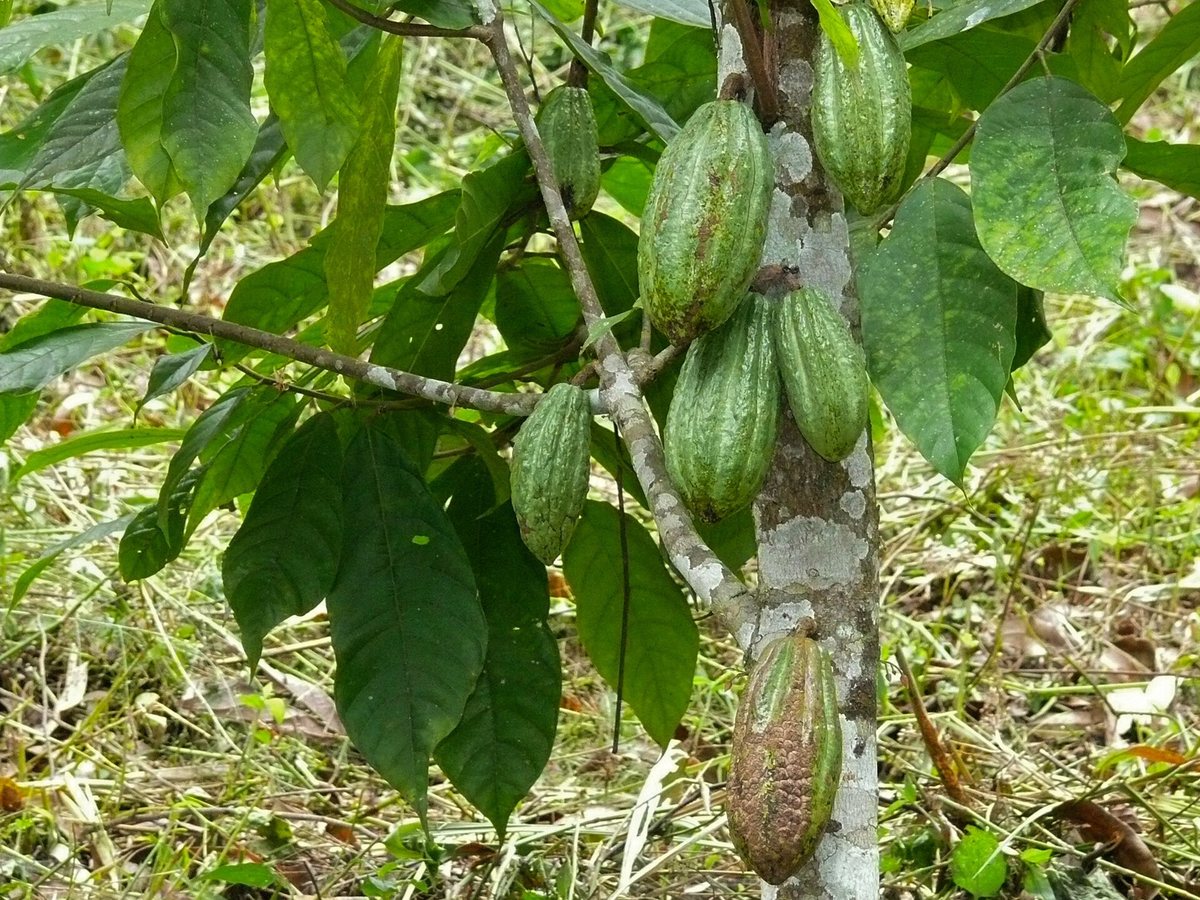
The raw material of chocolate is the seed of the cacao tree. For a long time, it was thought that the first people to use cacao lived in Mesoamerica (the area around today's Mexico), and the archaeological evidence was believed to go back about 3,900 years. But in 2018, an even older piece of evidence was reported from South America.
Old evidence from Ecuador, South America
According to a study published in the journal Nature Ecology & Evolution, pottery from the Santa Ana-La Florida site in southeastern Ecuador showed three kinds of evidence of cacao: cacao starch grains, traces of theobromine (a substance found in cacao), and ancient cacao DNA. These are about 5,300 years old and are reported to be the oldest evidence of cacao use in the Americas.

The cacao drinks of the Maya and Aztecs
Later, in Mesoamerica, the Maya and Aztecs treasured cacao. According to a Harvard University publication, both "cacao" and "chocolate" come from words in Nahuatl, the Aztec language, and referred to a bitter, spicy drink made from cacao beans and water. A resource from the Field Museum in Chicago says the Maya drank chocolate at social gatherings and religious events, whatever their rank.
It became sweet in Europe
Europeans learned about cacao in the 1500s. According to the Field Museum, cacao was carried to Spain after Spain conquered the Aztecs. The Spanish did not like the bitter taste, so they heated the drink and added various ingredients. It is explained that after the drink reached Europe, someone came up with the idea of adding sugar and cinnamon, and sweet, hot chocolate was born.
The oldest evidence known today
In other words, the source of chocolate began in Latin America, and sweet chocolate took shape in Europe. However, where and when cacao was first used may change with future discoveries. The oldest evidence known today is about 5,300 years old, from Ecuador.
Want to know more?
- According to the Field Museum, cacao beans were also used as money by the Aztecs and were offered to the gods.
- The Spanish are said to have started using a wooden stirring stick called a "molinillo" to whip the chocolate drink into a smooth foam.

Quick quiz: test yourself
Where did cacao use begin?
Show the answer
- Europe
- Latin America
- Africa
Latin America The oldest evidence of use is about 5,300 years old, from Ecuador, and the Maya and Aztecs in Mesoamerica also used it as a drink.
The oldest evidence of use is about 5,300 years old, from Ecuador, and the Maya and Aztecs in Mesoamerica also used it as a drink.
Next quiz ›Sources
- The use and domestication of Theobroma cacao during the mid-Holocene in the upper AmazonNature Ecology & Evolution
- Chocolate gets its sweet history rewrittenNational Geographic
- Chocolate: A European Sweet / A Mesoamerican Luxury(All About Chocolate)The Field Museum
- XocoatlReVista, Harvard Review of Latin America(David Rockefeller Center for Latin American Studies, Harvard University)
This article was written after checking the sources above as of 2026-10-03. Explanations may change as research progresses. Photo credits are shown below each photo.