Where did rock-paper-scissors come from?

 Let me tell you the answer in thirty seconds.
Hand-sign games called "ken," in which two people decide a winner by the shapes of their hands, are said to have come from China to Nagasaki. The rock, paper and scissors form of jan-ken is said to have taken shape in Japan between the end of the Edo period and the Meiji era, and it spread around the world in the 20th century.
Hand-sign ken games came from China
Rock-paper-scissors belongs to a family of games called "ken," in which two people face each other and decide a winner by the shapes of their hands or fingers. The common view is that ken games came into Japan from China. One dictionary explains that ken came from China to Nagasaki during the Kan'ei era and spread mainly as a game played at drinking parties.
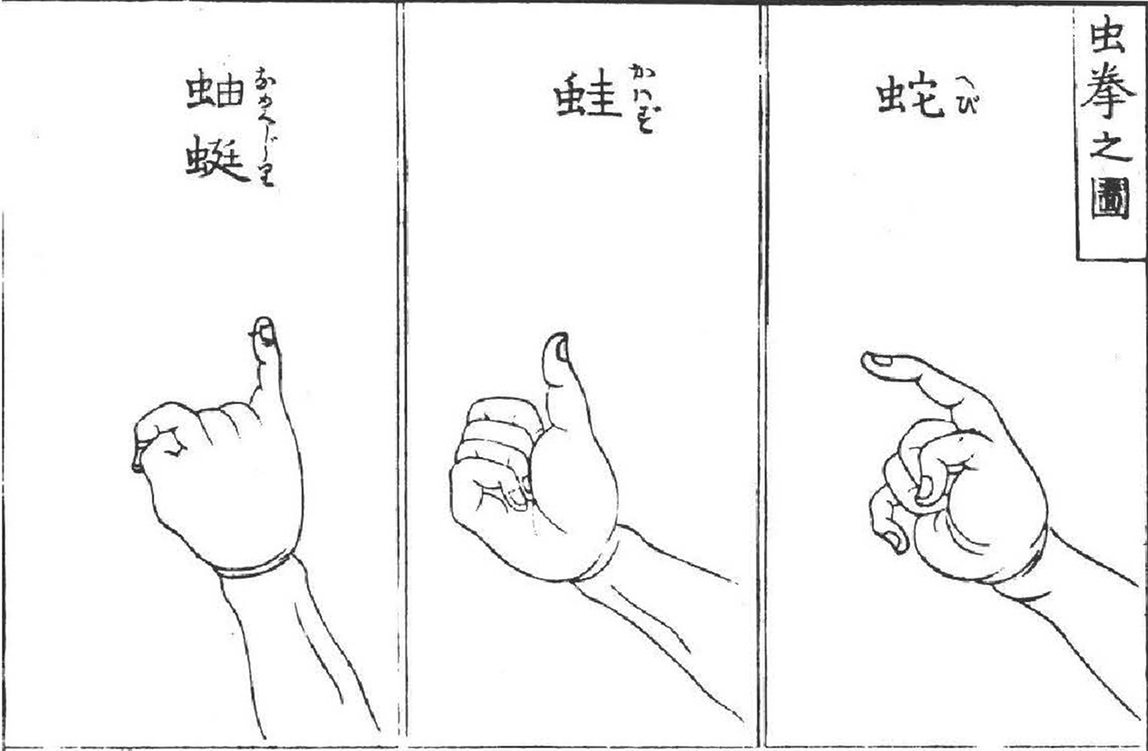
Three-way ken games such as mushi-ken
Japan also played "sansukumi-ken," games in which three hands beat one another in a circle. In mushi-ken, the three are a frog, a snake and a slug. In shoya-ken, they are a village head, a fox and a hunter. The game said to be the root of today's jan-ken is one of these three-way games that began in the late early-modern period: tohachi-ken, also called kitsune-ken or shoya-ken.

The jan-ken form took shape in Japan
As for when the rock, paper and scissors form took shape, researcher Yoshiharu Iijima explains that it was invented in Japan between the end of the Edo period and the Meiji era, so it is relatively new. It is said to have grown out of "hon-ken" and "Nagasaki-ken," number-guessing games that Chinese people in Nagasaki taught to courtesans. On the other hand, one dictionary says that a game brought from China to Nagasaki in the early years of the Genroku era (1688 to 1704) spread and became jan-ken, so views differ. An essay from 1850 also says that jan-ken had recently become popular in Edo. There are several theories about where the name comes from, and none is certain.
It spread worldwide in the 20th century
It spread overseas in the 20th century, together with Japanese emigrants and Japanese people going abroad. These days, it is also spreading around the world along with Japanese pop culture such as manga, anime and games.
Want to know more?
- There is also "foot jan-ken," played with the feet. Rock is feet together, and paper is feet apart to the left and right.
- Italy has a similar game called morra. It is said to have come long ago from China by way of Persia.
- Around Tokyo, people say "jan-ken-pon" as they show their hands, and if the hands match, they say "aiko desho" and play again.

Quick quiz: test yourself
Where did the rock, paper, scissors form take shape?
Show the answer
- Japan
- China
- Italy
Japan Ken hand games came from China, but the rock, paper and scissors form is said to have taken shape in Japan between the end of the Edo period and the Meiji era.
Ken hand games came from China, but the rock, paper and scissors form is said to have taken shape in Japan between the end of the Edo period and the Meiji era.
Next quiz ›Sources
- じゃんけん(日本大百科全書・精選版 日本国語大辞典・世界大百科事典などの解説)コトバンク(小学館・平凡社ほか) (in Japanese)
- 国内外におけるじゃんけんや指切りの種類と普及Web医事新報(日本医事新報社)・飯島吉晴 (in Japanese)
This article was written after checking the sources above as of 2026-10-03. Explanations may change as research progresses. Photo credits are shown below each photo.