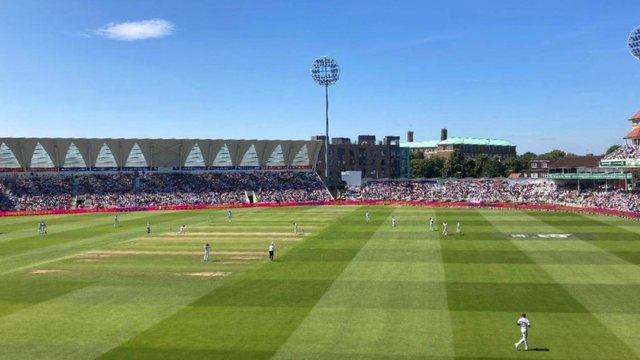
What is LBW in cricket?

 The name means "leg before wicket."
LBW (leg before wicket) is a way of being out when the batter blocks, with their body before the bat, a ball that would have hit the wicket. The batter is given out only when all 5 conditions in the Laws are met, such as where the ball landed and where it hit the body, and the fielding side appeals to the umpire.
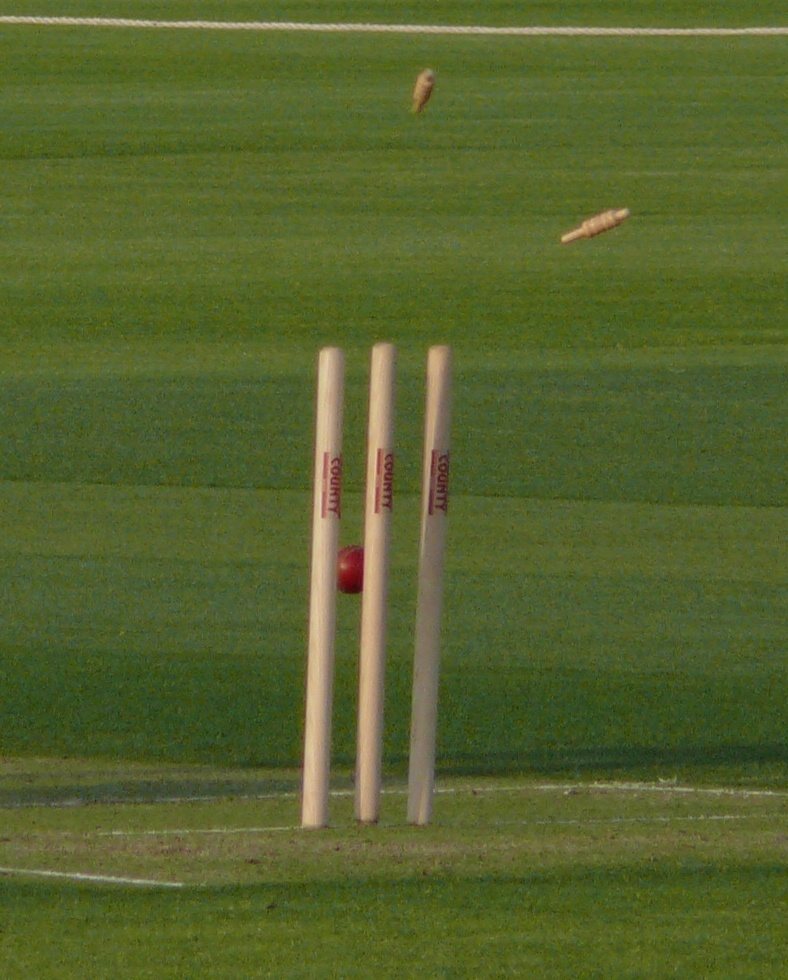
LBW means "leg before wicket"
LBW stands for "leg before wicket." In cricket, a batter is out if the bowler's ball hits the wicket (the stumps and bails) behind them. LBW was created to stop batters from simply protecting the wicket with their body. In the Laws of Cricket written by the MCC (Marylebone Cricket Club), it is Law 36.
The 5 conditions for being out
According to the Laws, a batter is out LBW when all 5 of these apply. 1) The delivery is not a no ball. 2) If the ball lands, it lands in line between wicket and wicket or on the off side (the side the batter faces when holding the bat). 3) Before touching the bat, it hits any part of the batter's body. 4) The point where it hits the body is between wicket and wicket. 5) If it had not hit the body, it would have hit the wicket.
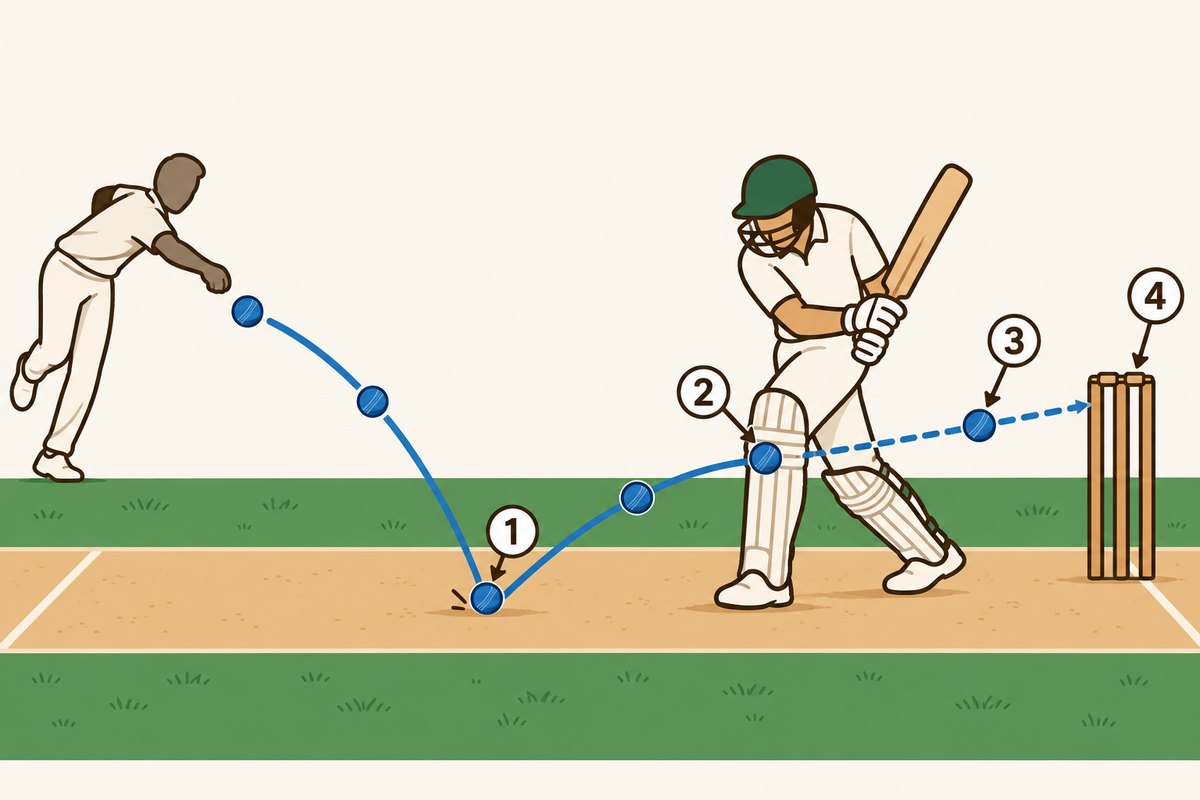
- 1Where the ball pitched
- 2Where it hit the leg pad before the bat
- 3The predicted path to the wicket if the leg had not been there
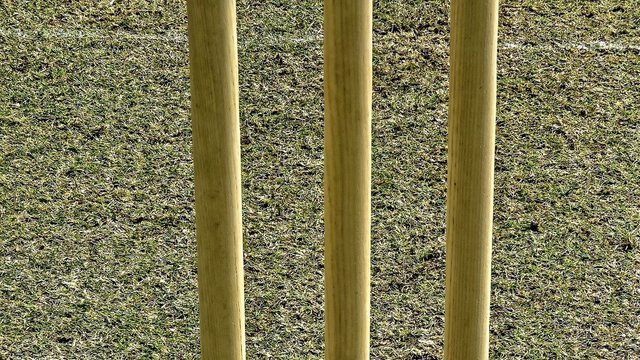
- 4The wicket: three stumps and two bails

Small details worth knowing
Condition 4 has an exception: if the batter made no real attempt to play the ball with the bat, they can be out even if the ball hits them outside the line of off stump. Also, if the ball hits the bat and the body at the same time, it counts as hitting the bat first. For condition 5, the ball is assumed to keep going on the same path it had before it hit the batter.
Appeals and video reviews
Even if all the conditions are met, the umpire will not give the batter out unless the fielding side appeals by asking "How's that?" LBW appeals are answered by the umpire at the bowler's end. In international matches, a system that tracks the ball on video (DRS) is also used to review decisions. A 2022 explainer from Australia's governing body says it checks 3 stages: where the ball landed, where it hit the body, and whether it would hit the wicket, and that in close cases the umpire's original decision may stand.
Based on a 2022 explainer from cricket.com.au.
Want to know more?
- Under the MCC Laws, a batter can be out LBW even if the ball hits them higher than the bails, as long as the other conditions are met.
- Which side is the off side depends on how the batter is standing when the ball comes into play. It switches between right-handed and left-handed batters.
- According to the MCC Laws, the appeal "How's that?" covers every way of being out.
Quick quiz: test yourself
Remember what you just read? Give it a try!What is "LBW" in cricket?
Show the answer
- Being caught before the ball touches the ground
- Stopping a ball that would hit the wicket with your body
- Having the wicket broken while running
Stopping a ball that would hit the wicket with your body LBW means "leg before wicket." It is a dismissal when the batter blocks, with their body before the bat, a ball that would have hit the wicket.
LBW means "leg before wicket." It is a dismissal when the batter blocks, with their body before the bat, a ball that would have hit the wicket.
Next quiz ›Sources
- Law 36: Leg Before WicketMCC(マリルボーン・クリケット・クラブ)Laws of Cricket
- Law 31: AppealMCC(マリルボーン・クリケット・クラブ)Laws of Cricket
- Umpire's call explained: Why is that not out?cricket.com.au(クリケット・オーストラリア)
This article was written after checking the sources above as of 2026-10-03. Explanations may change as research progresses. Photo credits are shown below each photo.
Next fun fact ▶
 SportsWhat is the little piece of wood on top of the wicket for?There is a small piece of wood on top of the stumps in cricket, isn't there? What is it for?

40 surprising animal facts with big photos and short, easy text. A fun-facts book for kids and grown-ups to read together.
See it on Amazon