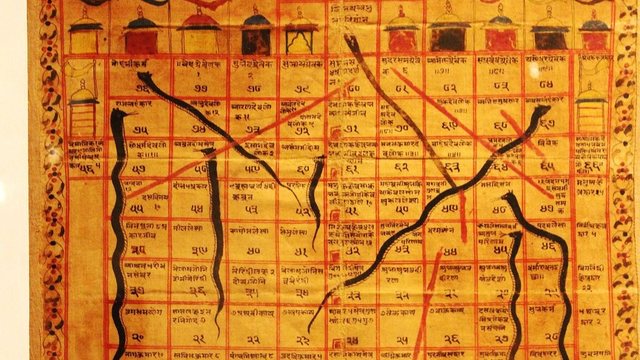
Why does a day have 24 hours?

 In fact, nobody set out to split the day into 24. It is one number used twice.
A day has 24 hours because ancient Egyptians are thought to have divided daytime and nighttime into 12 parts each. They measured the day with sundials and the night by watching stars rise, and 12 plus 12 made 24. But back then an hour changed length with the seasons. The idea of 24 equal hours came later, from a Greek astronomer.
Day and night, 12 parts each
A day has 24 hours because, it is thought, people divided daytime and nighttime into 12 parts each. Japan's National Astronomical Observatory explains that it is more natural to think of it as splitting day and night into 12 each, rather than splitting the whole day into 24. 12 and 12 together make 24.
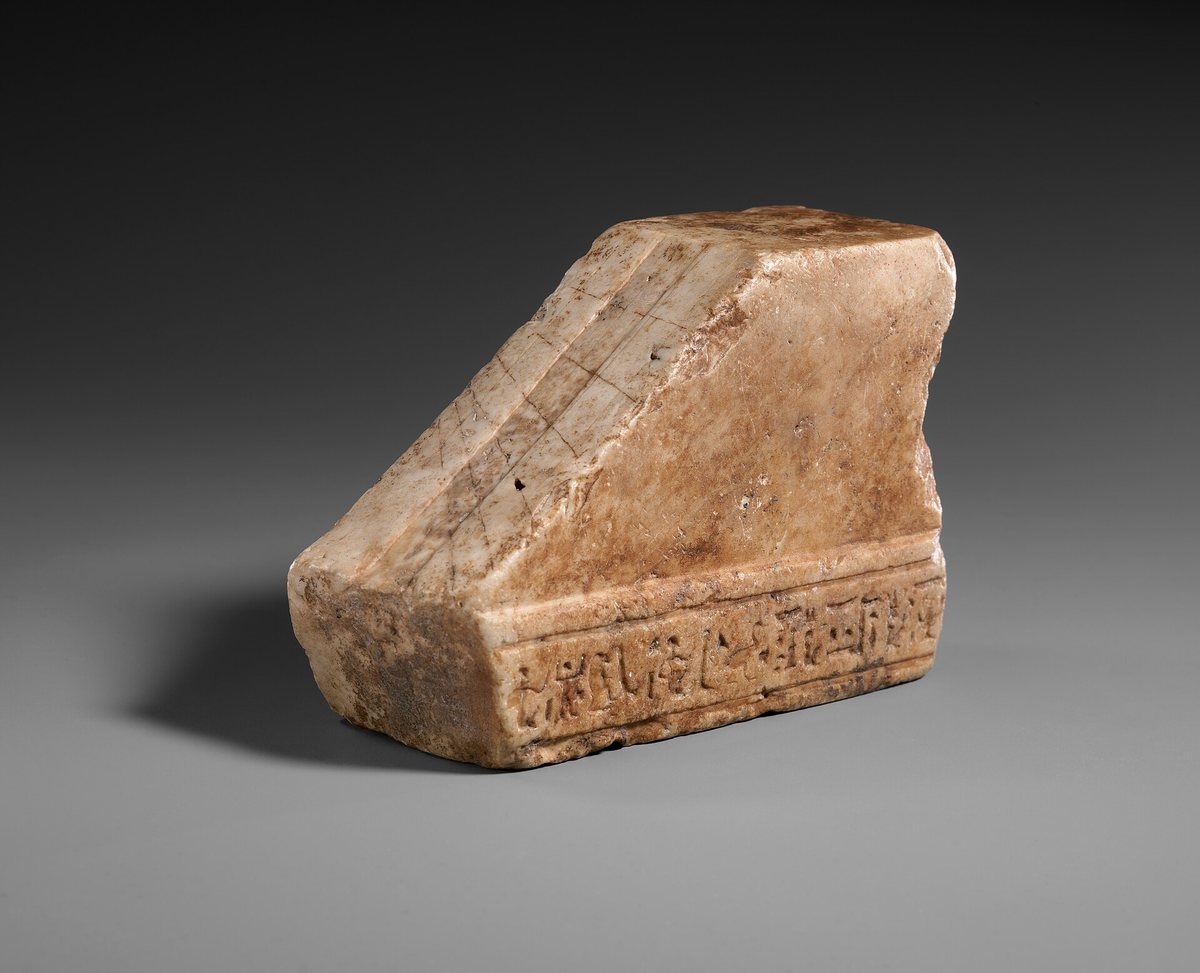
Sundials split the day into 12
Ancient Egypt is thought to be the first civilization to divide the daytime into smaller parts using sundials. By about 1500 BC, Egyptians had sundials that divided the time from sunrise to sunset into 12 parts. Some sundials split the bright part of the day into 10 parts and added 2 twilight periods, in the morning and evening, to make 12.
Stars split the night into 12
Sundials don't work at night. So Egyptian astronomers used marker stars that rose into the sky, called "decans." The time of full darkness was marked off by 12 of these stars, so the night was also divided into 12 parts. Water clocks, which let water drip out little by little, were also used at night.
Based on explanations from Japan's National Astronomical Observatory and Scientific American.
Why 12?
There are 2 main ideas about why 12 was chosen. One is that the moon goes through its cycle of phases 12 times in a year. The other is the number of finger joints. Each of the 4 fingers, not counting the thumb, has 3 sections separated by joints, so you can count to 12 by touching them with your thumb.

How hours became equal
However, an hour back then changed length with the seasons, so a summer daytime hour was longer than a winter one. Around the 2nd century BC, the Greek astronomer Hipparchus proposed dividing the day into 24 hours of equal length. Even so, everyday life kept using hours of changing length for a long time. Equal-length hours became normal only after mechanical clocks appeared in Europe in the 14th century.
Want to know more?
- The ancient Greek historian Herodotus wrote that the way of dividing the day into 24 hours came from ancient Babylonia, but it is not clear whether that is true.
- Japan's old way of telling time, called "futeijiho" (unequal hours), also used 12 divisions rather than 24.
Quick quiz: test yourself
Remember what you just read? Give it a try!What idea led to the 24-hour day?
Show the answer
- Dividing the day into 10 and doubling it
- Dividing the days of the year by the number of months
- Dividing day and night into 12 parts each
Dividing day and night into 12 parts each Ancient Egyptians divided the daytime into 12 with sundials and the night into 12 with stars. Together, these are thought to have made 24.
Ancient Egyptians divided the daytime into 12 with sundials and the night into 12 with stars. Together, these are thought to have made 24.
Next quiz ›Sources
- 暦Wiki 要素/1日とは?/1時間とは?国立天文台 暦計算室 (in Japanese)
- Why is a minute divided into 60 seconds, an hour into 60 minutes, yet there are only 24 hours in a day?(回答:Michael A. Lombardi, NIST)Scientific American
- A Walk Through Time - Early ClocksNational Institute of Standards and Technology (NIST)
This article was written after checking the sources above as of 2026-10-03. Explanations may change as research progresses. Photo credits are shown below each photo.
Next fun fact ▶
 CultureWhen did people start putting candles on birthday cakes?We blow them out with a whoosh every birthday. But when and where did birthday candles begin?

40 surprising animal facts with big photos and short, easy text. A fun-facts book for kids and grown-ups to read together.
See it on Amazon