What causes the special smell of rain?

 Let me tell you what that smell really is, in 30 seconds.
The smell of rain mainly comes from plant oils that build up on dry ground and from a substance called geosmin, made by bacteria in the soil. When raindrops hit the ground, tiny bubbles form and burst, sending the scent into the air. The sharp smell before a storm is ozone, made by lightning.
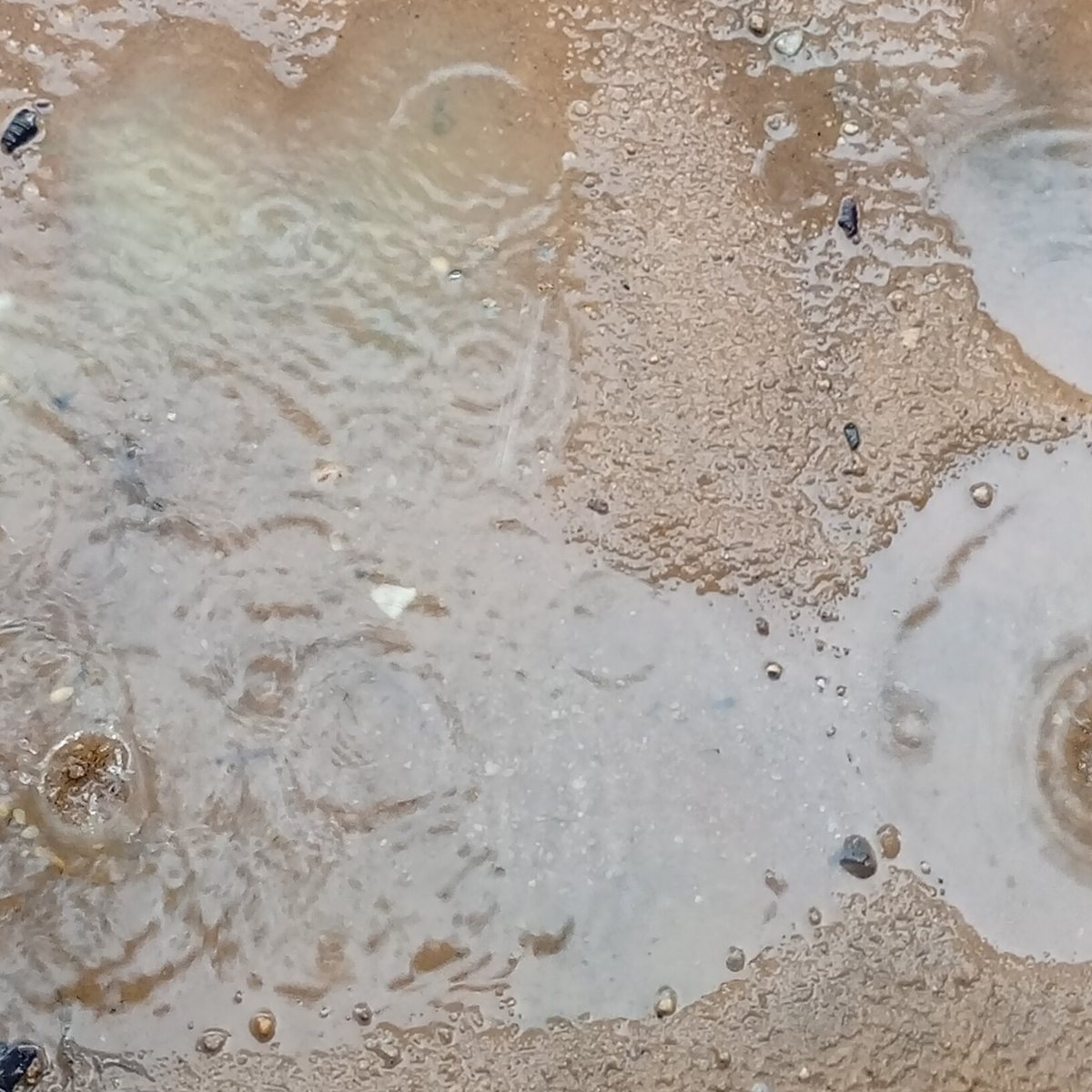
Its name is petrichor
The earthy smell when it rains has a name: petrichor. It was named in 1964 by two Australian scientists, Isabel Joy Bear and R. G. Thomas. The word combines the Greek word for "stone" with "ichor," the "blood" said to flow through the bodies of the gods in myths. The two explained that the smell comes from rain hitting the ground and mixing with plant oils.
Geosmin, made by soil bacteria
The other star of the smell is a substance called geosmin. It is made by actinomycetes, a group of bacteria that live in soil, and raindrops release it into the air. The human nose is very sensitive to geosmin. It is said that we can sense it even at a tiny amount in the air, less than 5 parts per trillion.

Raindrops send the smell into the air
How the smell is carried into the air was revealed in 2015 by research at the Massachusetts Institute of Technology (MIT). Using high-speed cameras, the researchers saw that when a raindrop hit porous ground such as soil, tiny air bubbles rose up through the drop and burst in the air, flinging out a fine spray (aerosols). Light or moderate rain produces more of this spray than heavy rain.
From MIT research in 2015.
The smell before a storm is ozone
The sharp smell you notice before a thunderstorm is something different. When lightning splits oxygen and other molecules in the air, a gas called ozone forms, and wind and raindrops carry it to us. The smell of rain also changes from place to place, like the scent of pine in a pine forest or the smell of asphalt in town.
Want to know more?
- Noses are said to work better when they are warm and moist, so humid summer is a season when the smell of rain is easier to notice.
- The MIT research team ran about 600 experiments on 28 types of surfaces, including 16 kinds of soil, to study how raindrops behave.
- In a downpour, there is not much smell. But when the rain stops, the sun comes out, and the ground warms up, the smell may rise again.

Quick quiz: test yourself
What mainly causes the smell of rain?
Show the answer
- The rainwater itself
- Plant oils and a substance from soil
- Dust falling from the clouds
Plant oils and a substance from soil Plant oils on dry ground and geosmin, made by bacteria in the soil, are sent into the air by tiny bubbles that form when raindrops hit the ground.
Plant oils on dry ground and geosmin, made by bacteria in the soil, are sent into the air by tiny bubbles that form when raindrops hit the ground.
Next quiz ›Sources
- Rainfall can release aerosols, study findsMIT News(Massachusetts Institute of Technology)
- Ask Smithsonian: Why Does Rain Have A Distinctive Smell?Smithsonian Magazine
- Petrichor - The Smell of RainAmerican Chemical Society (ACS)
This article was written after checking the sources above as of 2026-10-03. Explanations may change as research progresses. Photo credits are shown below each photo.