What Happens If You Go into Space Without a Spacesuit?

 NASA has studied what happens to the human body in space for more than 50 years. Space is what NASA calls a hostile, closed environment.
Going into space without a spacesuit would expose the body directly to what NASA calls a hostile, closed environment. Spacesuits are designed to protect astronauts from hazards such as space radiation, which Earth's magnetic field and atmosphere usually block.
Space conditions and the role of spacesuits
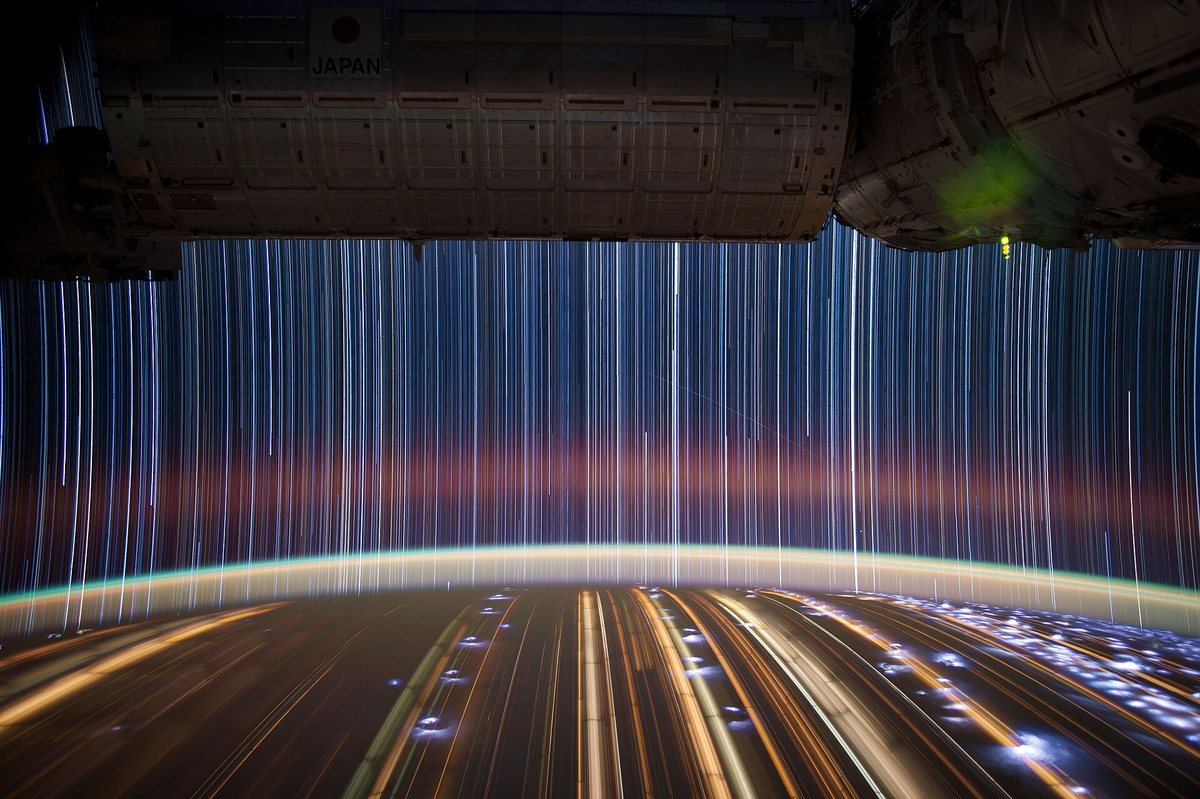
Space is a very different place from Earth. NASA has studied what happens to the human body in space for more than 50 years and uses what it learns to improve spacecraft and spacesuits. A spacesuit is essential for protecting the body in what NASA calls a hostile, closed environment.
NASA's five hazards: RIDGE
NASA groups the main risks of living in space into five hazards known by the acronym RIDGE: space Radiation, Isolation and Confinement, Distance from Earth, Gravity fields, and Hostile/Closed Environments. On Earth, our planet's magnetic field and atmosphere block most of the particles that make up the space radiation environment.
NASA Goddard の解説と、1965年のNASAの試験中の事故の記録より。

Improving spacesuits to protect the body
Spacesuits have been improved to protect astronauts from these space conditions. NASA's spacesuit page features updates on lunar mission spacesuit development, student design challenges, and component tests in cold chambers. Going outside without a suit would mean facing this hostile environment directly. NASA also works to make spacesuits fit better and function better for future missions.
Preparing for Moon and Mars missions
NASA is studying how the body responds to long missions to the Moon and Mars. Researchers use that knowledge to keep astronauts safe and healthy, including designing better spacesuits for exploring beyond Earth.
Want to know more?
- Scott Kelly and Christina Koch were the first American astronauts to spend nearly one year in space onboard the space station.
- Scott took part in the Twins Study with his identical twin brother Mark, who stayed on Earth as a control subject.
- Scott, Christina, and seven other astronauts have each spent more than 200 days in space during a single spaceflight.
Quick quiz: test yourself
What acronym does NASA use for its five main human spaceflight hazards?
Show the answer
- RIDGE
- SPACE
- SAFE
RIDGE NASA summarizes the hazards as space Radiation, Isolation and Confinement, Distance from Earth, Gravity fields, and Hostile/Closed Environments.
NASA summarizes the hazards as space Radiation, Isolation and Confinement, Distance from Earth, Gravity fields, and Hostile/Closed Environments.
Next quiz ›Sources
- How would the unprotected human body react to the vacuum of outer space? (Ask an Astrophysicist)NASA Goddard Space Flight Center
- The Human Body in SpaceNASA
- SpacesuitsNASA
This article was written after checking the sources above as of 2026-10-03. Explanations may change as research progresses. Photo credits are shown below each photo.