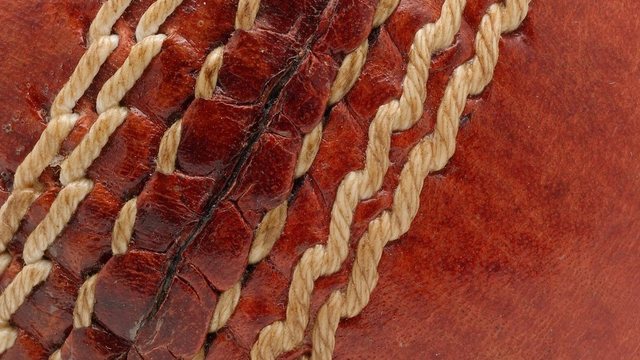
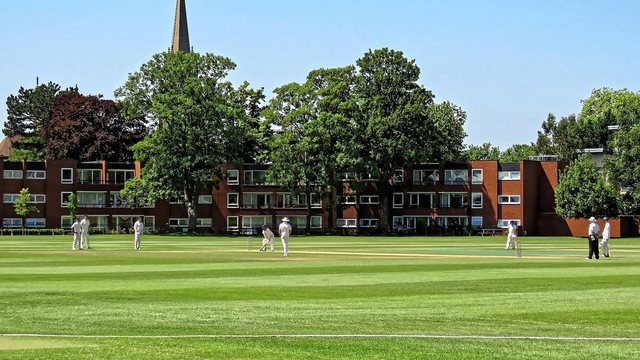
Why do cricketers rub the ball on their trousers?

 Let me explain it step by step, together with the rules.
Keeping one side of the ball smooth is explained to make the air flow around it differ from side to side in flight, so the ball swings more easily. Rubbing it on trousers is a way of polishing with sweat that the rules allow. Using saliva is banned.
Why one side of the ball is polished
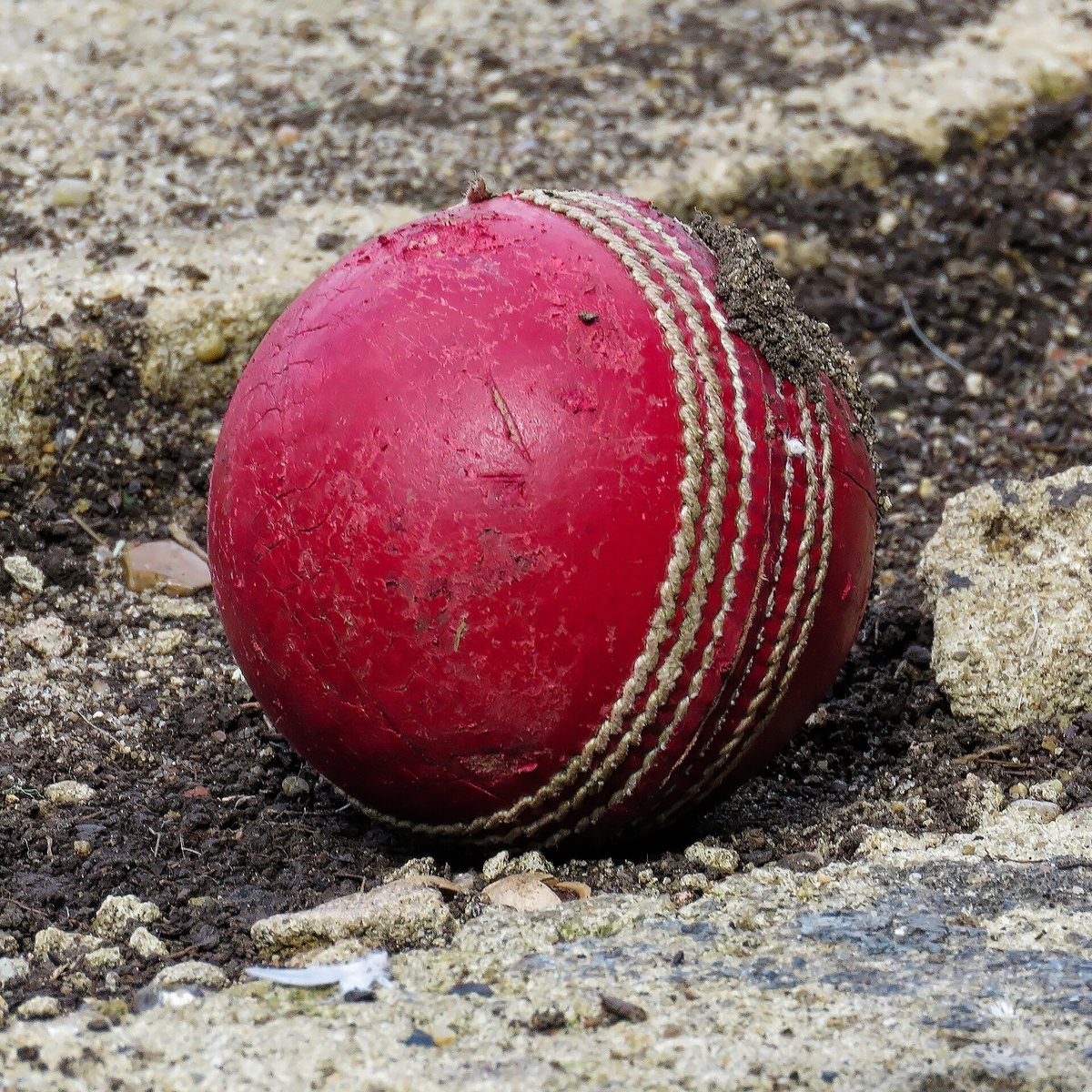
You may have seen fielders rub the ball on their trousers again and again. They are polishing the ball to make one side smooth. Rabindra Mehta, a NASA scientist who has studied the aerodynamics of cricket balls, explained on ESPNcricinfo that to swing the ball well, it is important to keep the side facing the batter as smooth as possible, and that the age-old habit of polishing makes scientific sense.
The difference between smooth and rough
A thin layer of air forms on the surface of a ball in flight. On the smooth side, the layer of air leaves the ball early, while on the side disturbed by the seam it stays attached to the ball for longer. This difference creates the force that pushes the ball sideways. According to Mehta, the ball that swings most easily has one side very smooth and the other side rough. Once the lacquer on a new ball wears off, the natural oils in the leather come out, which makes the ball easier to polish.
Polishing with sweat is within the rules
There are rules for how to polish. Under the ICC's Test match rules, a fielder may polish the ball on his or her clothing, but no artificial substance may be used, the only natural substance allowed is sweat, and the polishing must not waste time. Rubbing the ball on trousers fits within these limits.
Based on the ICC Men's Test Match Playing Conditions.

Saliva can no longer be used
Because some players used saliva, a ban on it was introduced to prevent the spread of the coronavirus when matches resumed in July 2020. Since then players have polished with sweat, and the ICC explains that this proved effective. On the proposal of an ICC committee led by Sourav Ganguly, the former India captain, the ban became a permanent rule from October 1, 2022. Under today's rules, if the umpires judge that saliva has been applied to the ball, 5 runs are awarded to the other team and the ball is replaced.
Want to know more?
- MCC says the saliva ban also aimed to remove a grey area in which players used sweets or chewing gum to make their saliva sweeter.
- When the umpires decide that the condition of the ball has been unfairly changed, the ball is replaced and 5 runs are awarded to the other team.
- According to Mehta, fielders take care not to touch the side they have roughened with their hands.

Quick quiz: test yourself
Why do players rub the ball?
Show the answer
- To make one side smooth
- To warm it so it flies far
- To make the ball heavier
To make one side smooth Keeping one side of the ball smooth is explained to make the air flow differ from side to side in flight, so the ball swings more easily.
Keeping one side of the ball smooth is explained to make the air flow differ from side to side in flight, so the ball swings more easily.
Next quiz ›Sources
- The truth about conventional, reverse and contrast swing (Rabindra Mehta)ESPNcricinfo
- ICC Men's Test Match Playing Conditions (effective from October 2026)International Cricket Council (ICC)
- ICC makes changes to Playing Conditions (19 September 2022)International Cricket Council (ICC)
- MCC World Cricket committee statements (22 February 2021)Marylebone Cricket Club (MCC)
This article was written after checking the sources above as of 2026-10-03. Explanations may change as research progresses. Photo credits are shown below each photo.