Why Do We Sneeze?

 A sneeze is your body's reflex when the lining of the nose or throat is irritated.
A sneeze is a sudden, forceful, uncontrolled burst of air through your nose and mouth. It is caused by irritation to the mucous membranes of the nose or throat. Common triggers include pollen, mold, pet dander, dust, colds, and dry air.
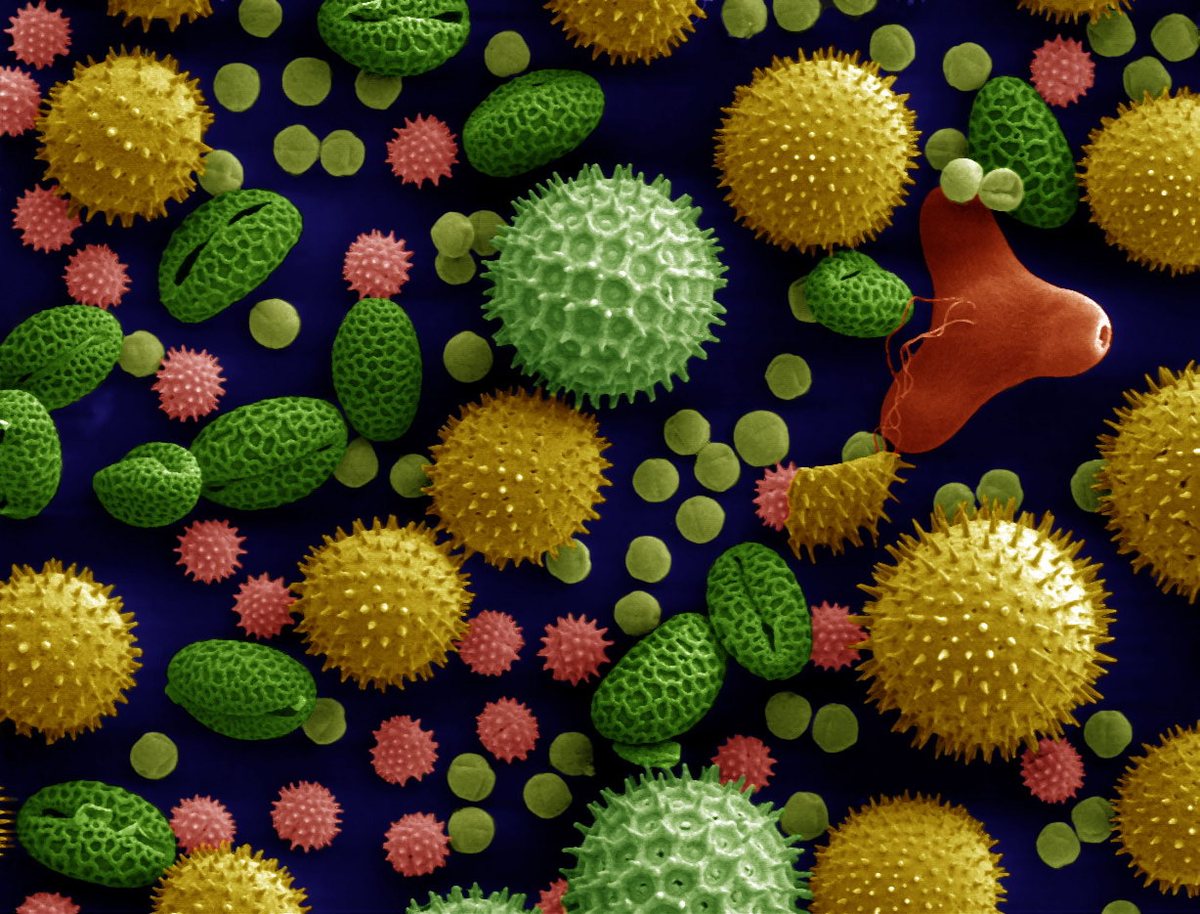
A reflex of air
A sneeze is a sudden, forceful, uncontrolled burst of air through the nose and mouth. It happens when the mucous membranes lining the nose or throat are irritated. Pollen, dust, mold, pet dander, and dry air can all be triggers. A sneeze is a protective reflex and is rarely a sign of a serious problem.
Common triggers
Common causes include allergies to pollen (hay fever), mold, pet dander, and dust. Sneezing can also be triggered by colds, the flu, COVID-19, breathing in medicine from certain nose sprays, air pollution, dry air, spicy foods, strong emotions, and certain medicines.

Hay fever and sneezing
Hay fever happens when you breathe in an allergen such as pollen and your body releases chemicals that cause symptoms. The main plant pollens that cause hay fever come from wind-carried trees, grasses, and ragweed. Hot, dry, windy days often have more pollen in the air, while cool, damp, rainy days wash pollen to the ground. Flower pollen is carried by insects and does not cause hay fever.
When to contact a provider
Many sneezes settle down when you avoid the allergen or trigger. Using air filters and keeping pets out of the bedroom can help. Sneezing that is not due to an allergy goes away when the illness or trigger is treated or removed. Contact a health care provider if sneezing affects your life and home remedies do not work, or if you have a fever or shortness of breath.
Want to know more?
- Indoors, air filters can reduce pollen, and washing linens in hot water at 130°F (about 54°C) helps reduce dust mites.
- The medical term for sneezing is sternutation.
- Hay fever can also cause a runny nose, stuffy nose, itchy eyes, watery eyes, coughing, and a sore throat.
Quick quiz: test yourself
What directly triggers a sneeze?
Show the answer
- Irritation of the nose or throat lining
- Irritation of the eyes
- Pressure in the ears
Irritation of the nose or throat lining A sneeze is a reflex caused by irritation to the mucous membranes of the nose or throat. Pollen, dust, and dry air can be triggers.
A sneeze is a reflex caused by irritation to the mucous membranes of the nose or throat. Pollen, dust, and dry air can be triggers.
Next quiz ›Sources
- Sneezing: MedlinePlus Medical EncyclopediaMedlinePlus(米国国立医学図書館)
- Allergic rhinitis: MedlinePlus Medical EncyclopediaMedlinePlus(米国国立医学図書館)
This article was written after checking the sources above as of 2026-10-03. Explanations may change as research progresses. Photo credits are shown below each photo.