What Is Happening Underground When an Earthquake Happens?

 An earthquake begins with huge plates and the faults between them.
An earthquake happens when two blocks of rock underground suddenly slip past each other along a fault. The edges of the fault can get stuck for a long time while the plates keep moving, so strain energy builds up. When the edges finally break free, that stored energy spreads out as seismic waves and shakes the ground.
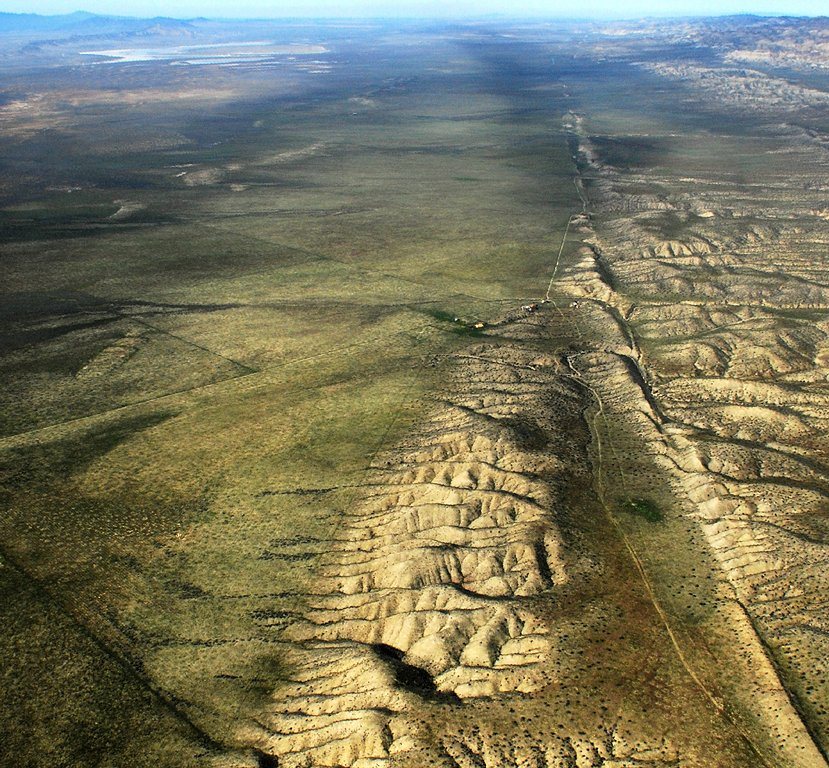
Faults and moving plates
An earthquake happens when two blocks of rock underground suddenly slip past each other. The surface where they slip is called a fault. The place where the slipping starts is the focus, or hypocenter, and the point directly above it on the ground is the epicenter. Earth's outer shell is broken into huge pieces called tectonic plates, and these plates move very slowly.
Strain builds, then slips
Many faults lie along the boundaries between plates, and most of the world's earthquakes happen there. The edges of the faults are rough, so they can get stuck even while the rest of the plate keeps moving. While the edges are stuck, energy builds up as strain. When the force finally overcomes the friction, the edges unstick and slip. The stored energy spreads out in all directions as seismic waves, making the ground shake.

Size and monitoring in Japan
The size of an earthquake is called its magnitude. The damage it causes depends not only on magnitude but also on the local geology and the way buildings are made. Japan is one of the world's most active earthquake and volcano zones, and its weather agency, the Japan Meteorological Agency, monitors earthquakes.
Can earthquakes be predicted?
Can scientists predict earthquakes? The U.S. Geological Survey says no, and that it is unlikely they ever will. Scientists may know that a fault will produce another earthquake someday, but they cannot tell when. Japan's meteorological agency also says it is difficult to predict the timing, place, and size of a major Nankai Trough earthquake accurately. Whether weather or animal behavior can signal an earthquake is also not yet understood.
Want to know more?
- Smaller earthquakes called foreshocks sometimes come before a larger one, but scientists cannot tell they were foreshocks until the larger quake happens.
- After a big earthquake, smaller aftershocks can continue for weeks, months, or even years, depending on the size of the main shock.
- According to the British Geological Survey, about 100 earthquakes each year are large enough to cause serious damage.
Quick quiz: test yourself
Where does the energy that shakes the ground during an earthquake come from?
Show the answer
- Energy stored while the fault edges are stuck
- Light sent up from Earth's core
- The pull of ocean water soaking into the ground
Energy stored while the fault edges are stuck When fault edges are stuck, energy builds up as strain. When they finally slip, that stored energy spreads out as seismic waves and makes the ground shake.
When fault edges are stuck, energy builds up as strain. When they finally slip, that stored energy spreads out as seismic waves and makes the ground shake.
Next quiz ›Sources
- The Science of EarthquakesU.S. Geological Survey (USGS)
- EarthquakesBritish Geological Survey (BGS)
- Monitoring of Earthquakes, Tsunamis and Volcanic ActivityJapan Meteorological Agency (JMA)
This article was written after checking the sources above as of 2026-10-03. Explanations may change as research progresses. Photo credits are shown below each photo.